Curie Brief
Turn on cookies to sign in
Signing in saves your progress to your Curie account. We can only do that with cookies on — turn them on to continue.
A Texas man with COPD died by suicide hours after a severe breathing episode, following a week-long delay in receiving a newly prescribed medication due to an unresolved insurance issue. His wife, Cindy, is still searching for answers about who was responsible. The case puts a human face on a systemic crisis: insurance delays and denials that nearly 7 in 10 Americans call a major problem.
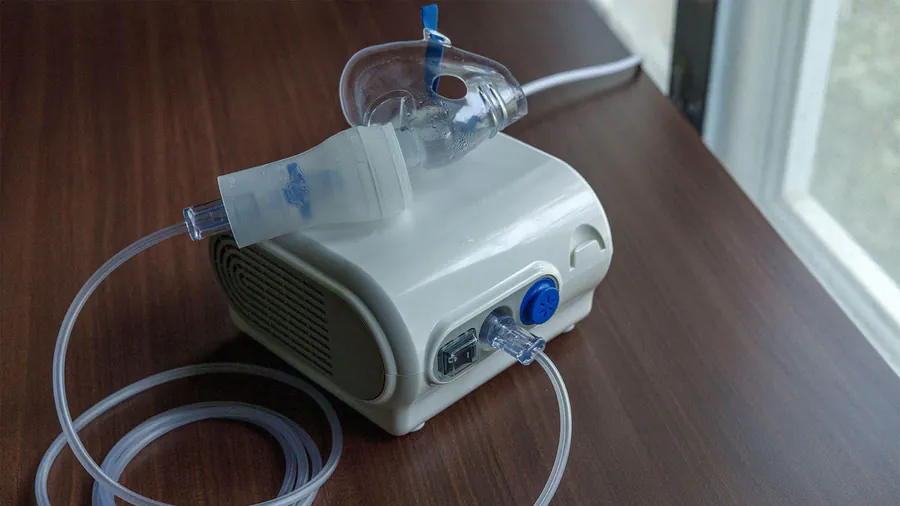
A Texas man named Kenney Blewett, who had lived with COPD for over a decade, died by suicide on June 7 — hours after a severe breathing flare-up — following a week-long delay in receiving a newly prescribed nebulizer medication. His pulmonologist had written the prescription on June 2, but a Walgreens notification cited an unresolved "insurance issue." The holdup appears to have stemmed from confusion between Medicare Part B (which covers nebulizer drugs as durable medical equipment) and Part D (which covers most other drugs), compounded by a missing diagnostic code and possible communication breakdowns between the pharmacy and the doctor's office.
His wife, Cindy, has sought answers from Medicare, Walgreens, and the pulmonologist's office — but still doesn't know exactly who dropped the ball. The case highlights how America's fragmented insurance system creates dangerous gaps, especially for patients managing complex, multi-payer coverage.
Key Takeaways:
Why it matters: This story is a stark reminder that insurance bureaucracy isn't just a paperwork headache — it can have life-or-death consequences. As AI enters the prior authorization process and federal reform stalls, patients navigating complex coverage are increasingly left without a safety net.