Curie Brief
Turn on cookies to sign in
Signing in saves your progress to your Curie account. We can only do that with cookies on — turn them on to continue.
About 70% of medically important antibiotics in the U.S. are sold for use in food animals — mostly to keep healthy livestock alive in crowded conditions, not to treat disease. Drug-resistant infections already kill ~35,000 Americans a year, and global deaths could reach 39 million by 2050. Clinicians have an underused lever: counseling patients on plant-forward diets and advocating for farm-level antibiotic policy reform.
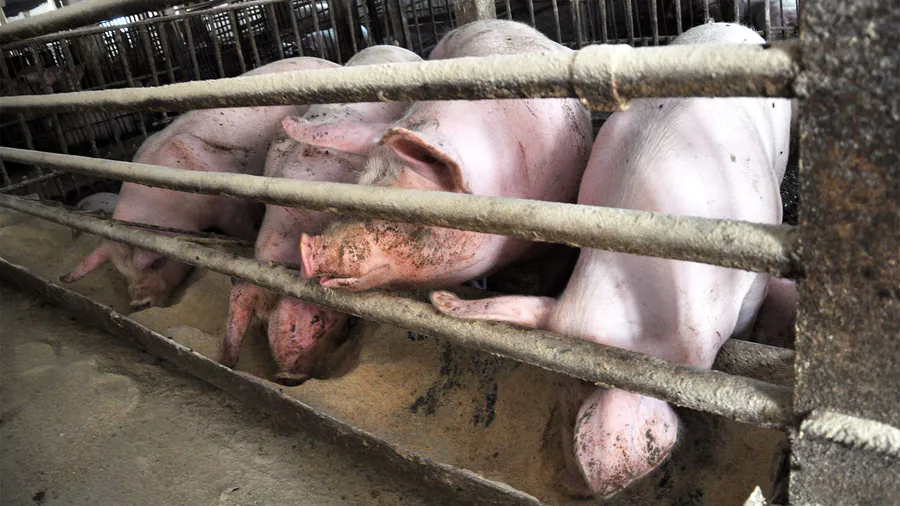
Every clinician who has faced a resistant organism knows the antibiotic toolkit is shrinking. But most of that resistance isn't originating in hospitals — it's coming from farms. In the U.S., roughly 70% of medically important antibiotics are sold for use in food animals, and the majority isn't treating sick livestock. It's keeping healthy animals alive in the densely packed conditions that industrial meat production requires.
The scale of the problem is staggering, and it's growing. Global livestock antibiotic use is projected to rise by nearly a third by 2040. The colistin story offers a rare proof point: when China banned the drug as a feed additive in 2017, resistance levels fell — in animals and in people. It's a real-world example showing that upstream policy changes can restore clinical utility to drugs we'd nearly lost.
By the Numbers:
Why it matters: Stewardship programs focused only on clinical prescribing are tackling a downstream symptom. Clinicians can act now — by counseling patients toward plant-forward diets, pushing professional societies to advocate for farm-level antibiotic reform, and raising institutional food-purchasing decisions on stewardship committee agendas.