Curie Brief
Turn on cookies to sign in
Signing in saves your progress to your Curie account. We can only do that with cookies on — turn them on to continue.
A novel CAR T-cell therapy targeting follicle-stimulating hormone receptor (FSHR) achieved stable disease for 3 months in a patient with recurrent ovarian cancer — a first for the ongoing phase 1 trial. The therapy, lira-cel, was given at the highest dose tested so far with no dose-limiting toxicities observed. Multiple patients in the trial have also survived beyond one year.
A CAR T-cell therapy called liraltagene autoleucel (lira-cel) has produced its first instance of stable disease in a patient with recurrent ovarian cancer, offering an early but encouraging signal in a phase 1 dose-escalation trial (NCT05316129). The patient, treated in the fifth and highest dose cohort at 1 × 10⁷ CAR-positive cells/kg, maintained stable disease 90 days after infusion. Importantly, no dose-limiting toxicities have been reported across any patients in the trial so far.
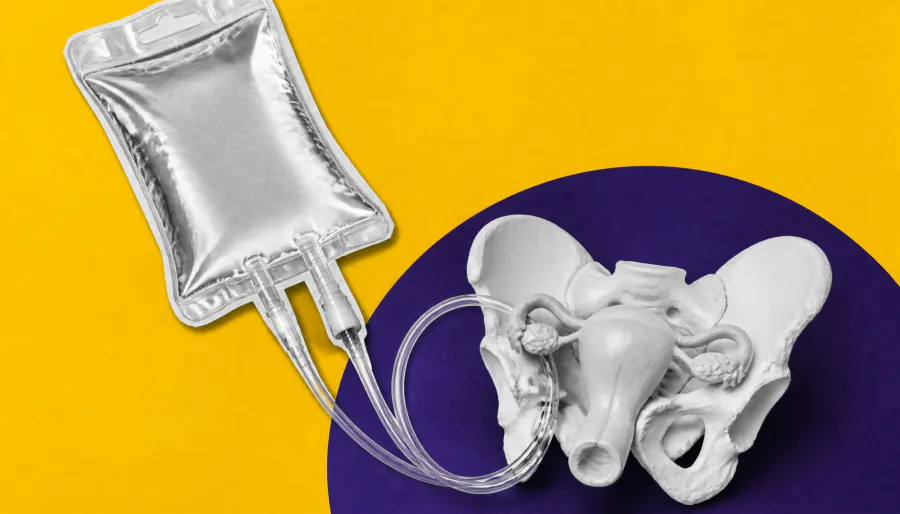
Lira-cel works by targeting FSHR — a receptor highly expressed on ovarian cancer cells and their blood vessels, but with limited presence in healthy tissue. The therapy is delivered directly into the peritoneal cavity to concentrate its effect where ovarian cancer typically spreads, a delivery strategy designed to maximize efficacy.
By the Numbers:
Why it matters: Recurrent ovarian cancer has very limited treatment options, especially for platinum-resistant patients. This early signal of disease stabilization — combined with a clean safety profile and notable survival outcomes — positions lira-cel as a promising candidate for further investigation in a disease that urgently needs new therapeutic approaches.