Curie Brief
Turn on cookies to sign in
Signing in saves your progress to your Curie account. We can only do that with cookies on — turn them on to continue.
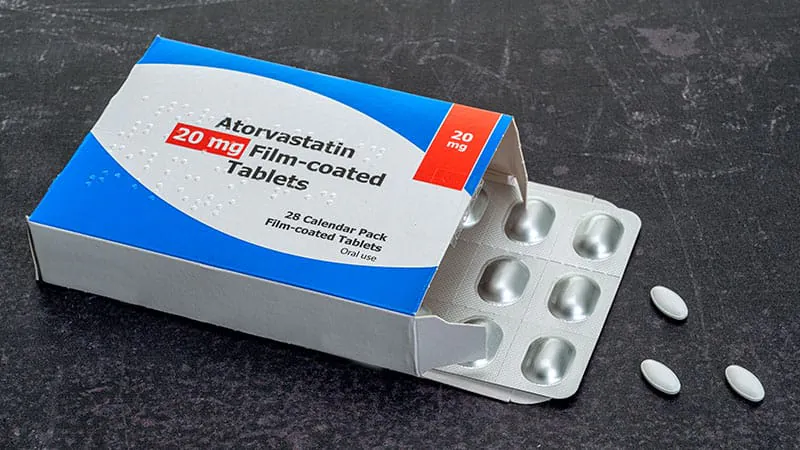
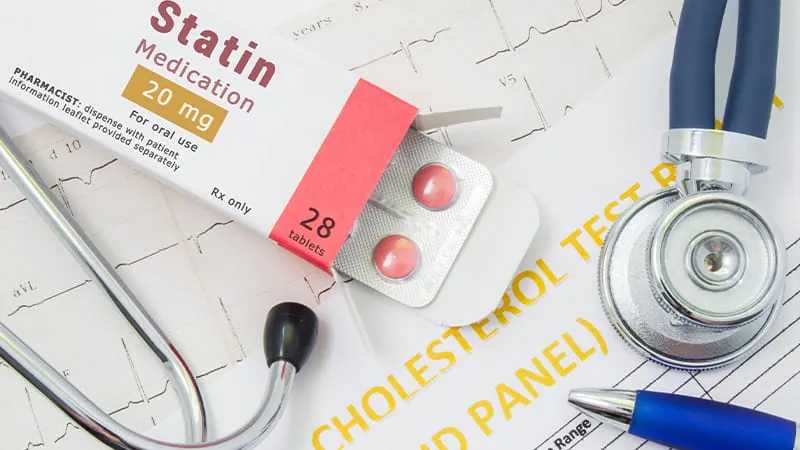
Statins have a reputation for causing everything from muscle pain to memory loss, but a sweeping new meta-analysis says most of those fears are overblown. Published in The Lancet, the Cholesterol Treatment Trialists' analysis of nearly 124,000 participants found that only a handful of side effects — notably diabetes and liver enzyme changes — are genuinely caused by statins. Meanwhile, muscle complaints, cognitive issues, and depression showed little to no causal link.
Statins are among the most prescribed drugs in the world, yet they carry a reputation for a laundry list of side effects. A major new meta-analysis from the Cholesterol Treatment Trialists' (CTT) Collaboration, published in The Lancet, pushes back on much of that narrative. Analyzing 19 double-blind, randomized, placebo-controlled trials with nearly 124,000 participants, researchers examined 66 adverse events listed in statin package inserts — and found that the vast majority don't hold up under rigorous scrutiny.
The confirmed side effects are real but modest. Diabetes risk rises by about 10% with low-to-moderate statin doses and 36% with high-intensity therapy, primarily in patients already near the diagnostic threshold. Liver enzyme elevations are also causal and dose-dependent, but the annual excess risk is only ~0.13%. Muscle pain — statins' most notorious complaint — tells a more nuanced story: over 90% of muscle symptoms reported by statin users in randomized trials were statistically not attributable to the drug, with placebo groups reporting nearly identical rates.
Key Takeaways:
Why it matters: Misattributing symptoms to statins drives patients to reduce or stop therapy — and poor adherence is directly linked to worse cardiovascular outcomes. Clinicians need tools to distinguish genuine side effects from nocebo responses to keep patients on life-saving treatment.