Curie Brief
Turn on cookies to sign in
Signing in saves your progress to your Curie account. We can only do that with cookies on — turn them on to continue.
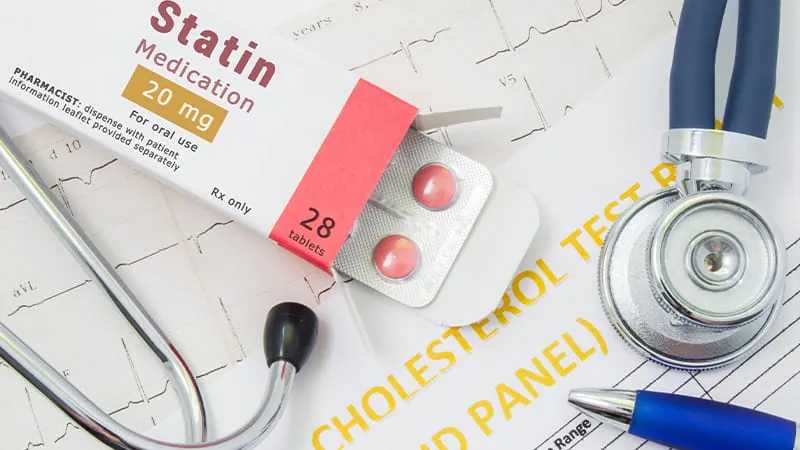
GLP-1 drugs are reshaping obesity and heart disease care, but experts say statins still hold their ground. While semaglutide cut cardiovascular risk by 20%, statins remain first-line for LDL lowering and ASCVD prevention. For many high-risk patients, the two therapies are complementary — not competing.
GLP-1 receptor agonists like semaglutide and tirzepatide have taken the medical world by storm — now accounting for nearly 8% of all US prescriptions as of March 2026 — but cardiologists and primary care physicians are pushing back on the idea that these drugs could replace statins. The two drug classes target different, overlapping risks: GLP-1s primarily address weight and glycemic control, while statins tackle LDL cholesterol and atherosclerotic cardiovascular disease (ASCVD).
The evidence for statins remains robust. A landmark 2005 meta-analysis of nearly 80,000 patients showed statins cut major coronary events by 27% and stroke by 18%. A 2026 Australian RCT confirmed atorvastatin's edge over placebo in primary prevention after nearly six years of follow-up. Meanwhile, GLP-1s have their own impressive cardiovascular data — semaglutide reduced composite CV risk by 20% in a major 2023 trial — and the FDA approved tirzepatide in August 2026 for reducing major CV events in high-risk type 2 diabetes patients.
Key Takeaways:
Why it matters: As GLP-1 drugs dominate patient conversations, clinicians must ensure cholesterol management doesn't fall through the cracks. For high-risk patients, relying on GLP-1s alone could leave significant cardiovascular risk unaddressed.