Curie Brief
Turn on cookies to sign in
Signing in saves your progress to your Curie account. We can only do that with cookies on — turn them on to continue.
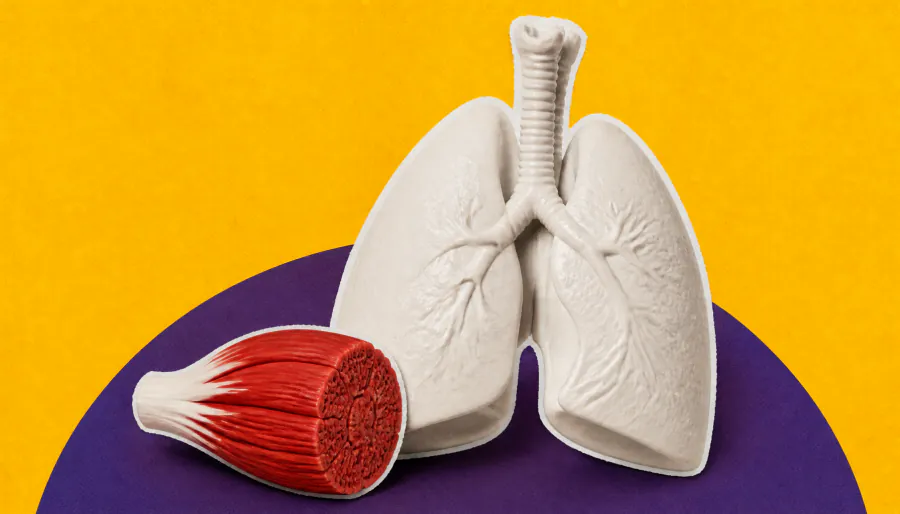
Researchers at Oregon State University have developed a nanoparticle therapy that fights lung cancer and cachexia — the severe muscle wasting that often accompanies it — at the same time. The treatment uses lipid nanoparticles to deliver follistatin mRNA directly to lung tumors, reducing tumor burden while preserving muscle tissue. Results in mice are promising, though human trials are still a ways off.
Researchers at Oregon State University have developed a nanoparticle-based therapy that takes on two of lung cancer's biggest challenges at once: the tumor itself and cachexia, the dangerous muscle-wasting condition that can affect cancer patients even when they're eating normally. The findings, published in the Journal of Controlled Release, represent a meaningful step forward in mRNA-based cancer treatment.
The therapy uses lipid nanoparticles (LNPs) loaded with follistatin mRNA, delivered intravenously. Once in the bloodstream, the LNPs bind to a protein called vitronectin, which steers them toward lung tumors by interacting with integrin receptors overexpressed on tumor surfaces. Inside the tumor, the mRNA instructs cells to produce follistatin — a protein that suppresses tumor growth and supports muscle tissue preservation. A key hurdle in mRNA cancer therapy has been getting treatments to reach tumors rather than accumulating in the liver, and this approach clears that bar with notable results in preclinical mouse models.
By the Numbers:
Why it matters: Lung cancer is the leading cause of cancer death in the U.S., and cachexia significantly worsens outcomes. A single therapy addressing both could transform how clinicians manage advanced lung cancer — though more preclinical work and eventual human trials are needed before this reaches patients.