Curie Brief
Turn on cookies to sign in
Signing in saves your progress to your Curie account. We can only do that with cookies on — turn them on to continue.
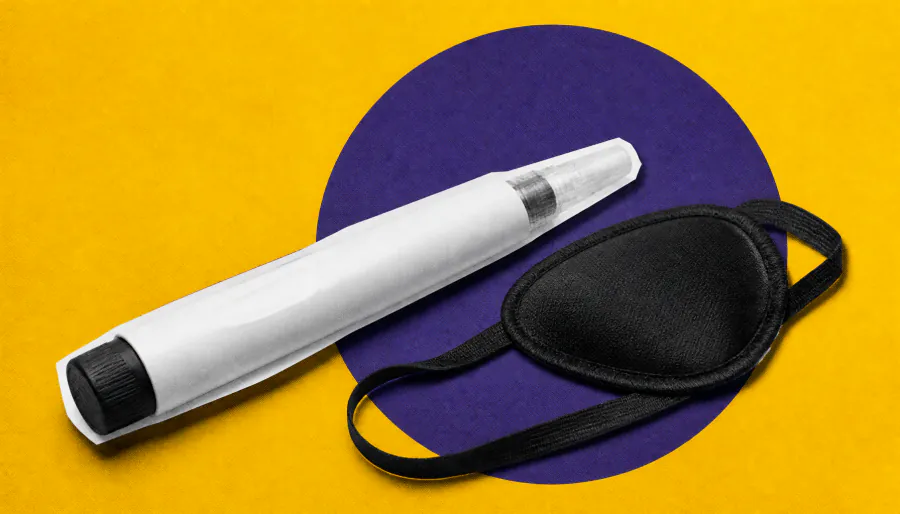
A new treatment for a historically understudied condition is showing real results. Subcutaneous efgartigimod PH20 (Vyvgart Hytrulo) met its primary endpoint in the phase III ADAPT OCULUS trial, significantly improving patient-reported ocular symptom scores in people with ocular myasthenia gravis — including relief from double vision and drooping eyelids — compared to placebo at 4 weeks.
Ocular myasthenia gravis (OMG), a condition causing double vision and drooping eyelids, has long lacked targeted therapies — but that may be changing. Interim data from the phase III ADAPT OCULUS trial show that subcutaneous efgartigimod PH20 (Vyvgart Hytrulo) met its primary endpoint, delivering a statistically significant improvement in patient-reported ocular symptom scores at 4 weeks compared to placebo. This marks the first registrational study specifically designed to evaluate a targeted treatment for OMG.
The trial enrolled 141 patients with MGFA Class I disease, and results were consistent across both anti-AChR antibody-positive and triple seronegative subgroups. Efgartigimod works by binding to the neonatal Fc receptor (FcRn), reducing circulating IgG autoantibodies thought to drive the disease. The drug is already FDA-approved for generalized myasthenia gravis and chronic inflammatory demyelinating polyneuropathy, but is not yet approved for the ocular form.
By the Numbers:
Why it matters: OMG is understudied and underserved — these results could pave the way for the first FDA-approved targeted therapy specifically for ocular myasthenia gravis, offering meaningful relief for patients whose daily lives are impacted by vision problems, anxiety, and depression.