Curie Brief
Turn on cookies to sign in
Signing in saves your progress to your Curie account. We can only do that with cookies on — turn them on to continue.
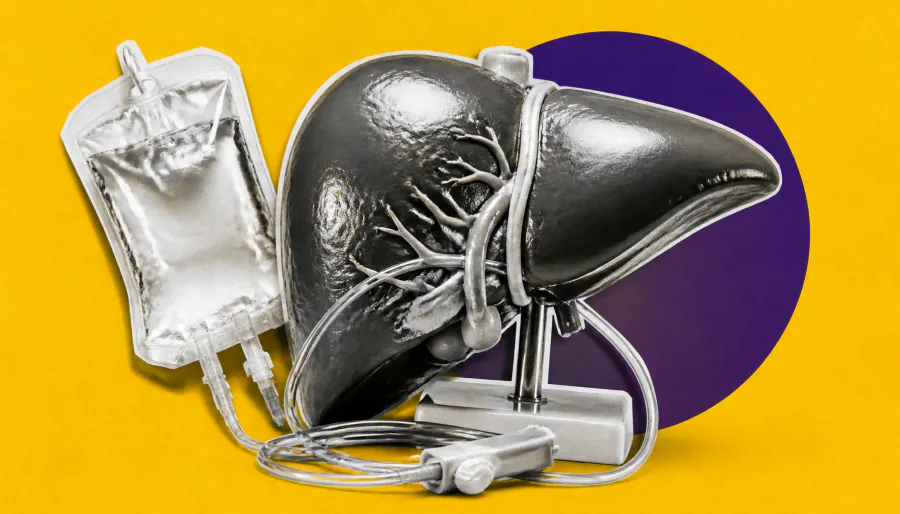
A groundbreaking case report in the New England Journal of Medicine describes a 3-year-old with chemotherapy-resistant liver cancer achieving complete remission after just two outpatient infusions of a novel CAR T-cell therapy. The treatment, part of the Phase 1 CARE trial, targeted the GPC3 protein and showed no serious side effects. Remission has held for over a year.
A 3-year-old with hepatoblastoma — the most common pediatric liver cancer — has achieved complete and lasting remission following treatment with a novel CAR T-cell immunotherapy, according to a new report in the New England Journal of Medicine. The child had already failed three lines of chemotherapy and developed a new lung metastasis after surgery before enrolling in the CARE study (NCT04715191), a first-in-human Phase 1 trial led by researchers at Baylor College of Medicine, Texas Children's Hospital, and Seattle Children's.
The therapy used the patient's own immune cells, engineered to target glypican-3 (GPC3), a protein overexpressed in hepatoblastoma. The CAR T cells were "armed" with immune-boosting cytokines IL-15 and IL-21, plus a built-in safety switch to control cell expansion. Two outpatient infusions, eight weeks apart, converted a partial response into complete disappearance of metastatic disease — with no serious toxicities reported.
Key Takeaways:
Why it matters: CAR T-cell therapy has transformed blood cancers, but success in solid tumors has remained elusive. This case offers a rare proof-of-concept that durable remission in a chemotherapy-resistant pediatric solid tumor is achievable — safely, and without hospitalization.