Curie Brief
Turn on cookies to sign in
Signing in saves your progress to your Curie account. We can only do that with cookies on — turn them on to continue.
A vitamin D drug could be pancreatic cancer's kryptonite. A small clinical trial found that paricalcitol, an FDA-approved vitamin D analog, can weaken the dense protective tissue surrounding pancreatic tumors, boosting chemotherapy's effectiveness. Patients receiving paricalcitol had a 42% response rate vs. just 9% for placebo, with the best outcomes seen in those whose tumors had high vitamin D receptor levels.
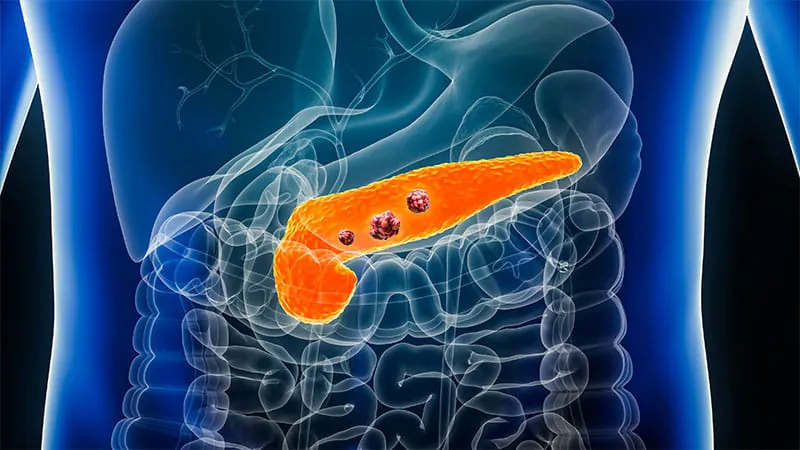
Pancreatic cancer is notorious for being nearly impossible to treat — partly because tumors wrap themselves in dense, fibroblast-rich tissue that blocks chemotherapy and shields against immune attack. Now, a small but promising clinical trial suggests a vitamin D analog called paricalcitol could help tear down that shield.
The trial, led by Dana-Farber Cancer Institute researchers and published in Nature Cancer, enrolled 36 patients with previously untreated metastatic pancreatic cancer. Participants received standard chemotherapy (gemcitabine plus nab-paclitaxel) with either a placebo or paricalcitol — an FDA-approved drug already used for kidney disease. The combination was found to be generally safe, and tumor biopsies confirmed that paricalcitol reduced fibroblast activation and increased T-cell infiltration, effectively remodeling the tumor's protective microenvironment.
By the Numbers:
Why it matters: These findings offer a new strategic angle for one of oncology's toughest challenges — rather than attacking cancer cells directly, paricalcitol reprograms the tumor's surrounding environment to let other therapies do their job. Larger trials are needed, but this study lays a compelling foundation for a potential new treatment standard.