Curie Brief
Turn on cookies to sign in
Signing in saves your progress to your Curie account. We can only do that with cookies on — turn them on to continue.
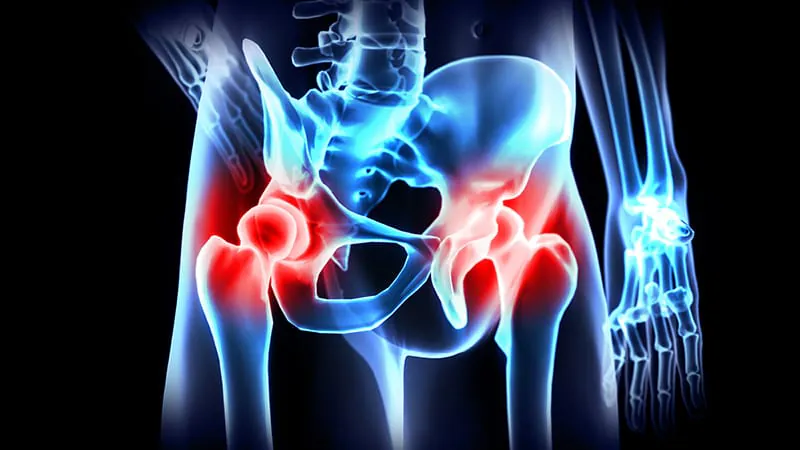
A tiny dose of radiation — just 4 Gy in one or two treatments — relieved bone pain in about two-thirds of multiple myeloma patients, a phase 2 trial found. Four out of five patients needed no additional radiation after the first course, and side effects were minimal. Researchers say the approach is ready for clinical use as a risk-adapted strategy.
Bone pain is one of the most debilitating complications of multiple myeloma, but concerns about damaging healthy bone marrow have historically delayed radiation therapy (RT) referrals. A new prospective multicenter phase 2 trial presented at the ASTRO 2026 Annual Meeting suggests that an ultra-low 4-Gy dose of RT — delivered in just one or two sessions — can provide meaningful pain relief while preserving bone marrow for future treatments like transplants and CAR T-cell therapy.
Across 63 evaluable patients, complete or partial pain responses were achieved in 66% at 4 weeks, 64% at 8 weeks, and 86% at 6 months. While the trial narrowly missed its prespecified statistical endpoint (64% vs. a target of 70%), researchers argue the results are clinically meaningful, especially given the near-absence of serious side effects. Lead investigator Dr. Leslie Ballas called the approach "ready for clinical use" as a risk-adapted strategy.
Key Takeaways:
Why it matters: As multiple myeloma survival improves and patients undergo more lines of therapy, preserving bone marrow function is increasingly critical. This ultra-low-dose RT strategy could allow clinicians to intervene earlier in bone disease — before pain becomes severe — without compromising future treatment options.