Curie Brief
Turn on cookies to sign in
Signing in saves your progress to your Curie account. We can only do that with cookies on — turn them on to continue.
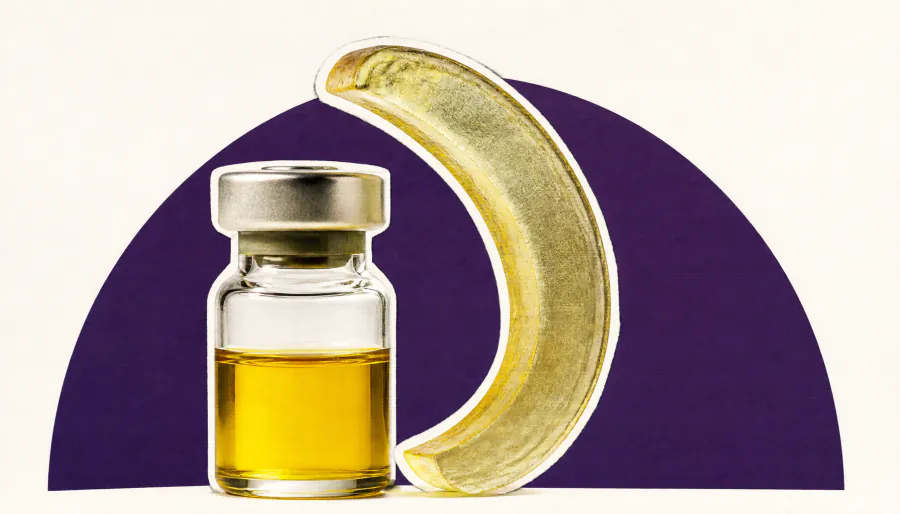
A new technique called ECO-CAIRS is changing how surgeons treat keratoconus by stiffening donor corneal ring segments with high-fluence UV cross-linking before implantation. This makes the segments easier to handle and insert, reducing intraoperative complications. It also adds potential benefits like better visibility, lower infection risk, and improved long-term integration compared to older synthetic or standard allogenic options.
Keratoconus surgery has come a long way since corneal transplants were the only option. Intracorneal ring segments (ICRS) offered a less invasive alternative, but synthetic PMMA versions carry real risks — extrusion, corneal melt, and neovascularization among them. Donor-derived allogenic ring segments (CAIRS) improved biocompatibility, but their softness made them notoriously tricky to implant.
Enter ECO-CAIRS — extracorporeal cross-linking-optimized CAIRS. Developed by Hafezi and colleagues, the technique applies high-fluence UVA cross-linking (30–60 J/cm²) to donor-derived segments before they're inserted into the eye. The result: mechanically robust segments that stay rigid even after rehydration, making surgery smoother and more reproducible. A riboflavin-induced yellow tint also improves visualization during insertion.
Key Takeaways:
Why it matters: For surgeons treating keratoconus in thin or irregular corneas — where synthetic implants pose unacceptable risks — ECO-CAIRS offers a safer, more controllable, and potentially more effective alternative. Ongoing research will refine optimal fluence levels and biomechanical parameters.