Curie Brief
Turn on cookies to sign in
Signing in saves your progress to your Curie account. We can only do that with cookies on — turn them on to continue.
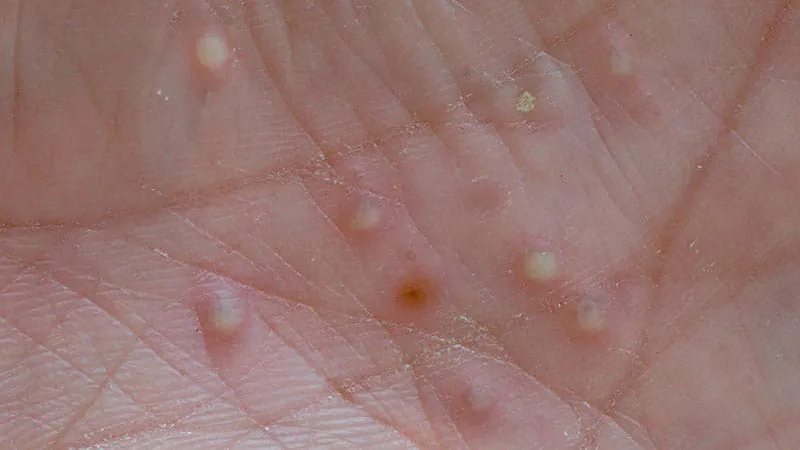
A rare but serious skin condition is on the rise in England. Generalised pustular psoriasis (GPP) prevalence jumped 56% between 2008 and 2022, and patients with GPP face more than three times the mortality risk of those without it. The findings underscore the urgent need for better management of this often-overlooked disease.
A rare but serious skin condition is getting harder to ignore. A large population-based study out of England found that generalised pustular psoriasis (GPP) — a severe, potentially life-threatening form of psoriasis — saw its prevalence jump 56% over 14 years, from 20.9 to 32.5 cases per million people. The condition disproportionately affects women, older adults, and Asian patients, who tend to develop it nearly two decades earlier than White patients (mean onset age 36.5 vs. 53.6 years).
The mortality picture is alarming. Patients with GPP had more than three times the risk of dying from any cause compared to matched individuals without GPP. Sepsis was the starkest driver, with nearly a tenfold higher risk. For a 50-year-old diagnosed with GPP, the estimated life expectancy shortfall was 15 years for men and 14 years for women.
By the Numbers:
Why it matters: Despite being rare, GPP carries an outsized mortality burden. As incidence trends upward and newer biologics like spesolimab enter the picture, these findings make a compelling case for earlier diagnosis, aggressive comorbidity management, and closer monitoring of high-risk groups.