Curie Brief
Turn on cookies to sign in
Signing in saves your progress to your Curie account. We can only do that with cookies on — turn them on to continue.
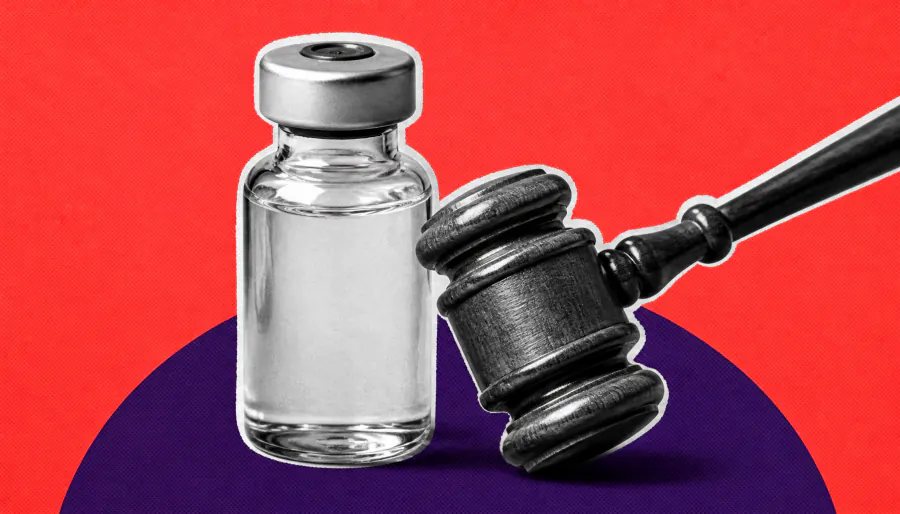
Despite decades of available vaccines, fewer than 4 in 10 U.S. adults are protected against hepatitis A, and fewer than 3 in 10 against hepatitis B. A new JAMA Internal Medicine study found immunity is especially low among high-risk groups like those with chronic liver disease — raising urgent questions about vaccine delivery systems and recent policy changes to the HBV birth dose recommendation.
A large cross-sectional study published in JAMA Internal Medicine reveals a troubling gap between vaccine availability and actual immune protection in the U.S. Analyzing data from over 13,500 adults representing 226 million Americans, researchers found that only 39.5% had serologic immunity to hepatitis A virus (HAV) and just 27.1% to hepatitis B virus (HBV) — with vaccine-derived HBV immunity at a mere 25.2%.
What's more alarming: about two-thirds of U.S. adults fall into high-risk categories (diabetes, chronic liver disease, kidney disease, pregnancy, or immunosuppression), yet most of these groups had lower immunity than the general population. The exceptions were patients with advanced chronic kidney disease and pregnant individuals — groups with more structured healthcare access — suggesting the system can work, just not consistently.
By the Numbers:
Why it matters: With recent CDC/ACIP policy changes rolling back the universal HBV birth dose recommendation, this study provides a critical baseline — and a warning. Without stronger health system interventions like EHR reminders and standing vaccination orders, immunity gaps are likely to widen.