Curie Brief
Turn on cookies to sign in
Signing in saves your progress to your Curie account. We can only do that with cookies on — turn them on to continue.

Staying on endocrine therapy after lumpectomy is harder than expected. A new real-world analysis found that fewer than 30% of women with early-stage breast cancer consistently adhered to the recommended 5-year endocrine therapy regimen. Women who skipped post-surgical radiotherapy and those under 60 were the least likely to stay on track — raising red flags for treatment strategies that rely on medication compliance alone.
Endocrine therapy is a cornerstone of early-stage breast cancer treatment after lumpectomy, but a new real-world study suggests that actually staying on it for the full 5 years is a much bigger challenge than clinicians may realize. Presented at the ASTRO 2026 Annual Meeting in Boston, the analysis of insurance claims data found that fewer than 30% of patients maintained consistent adherence over the full recommended course — a sobering finding for a treatment that's often assumed to be straightforward.
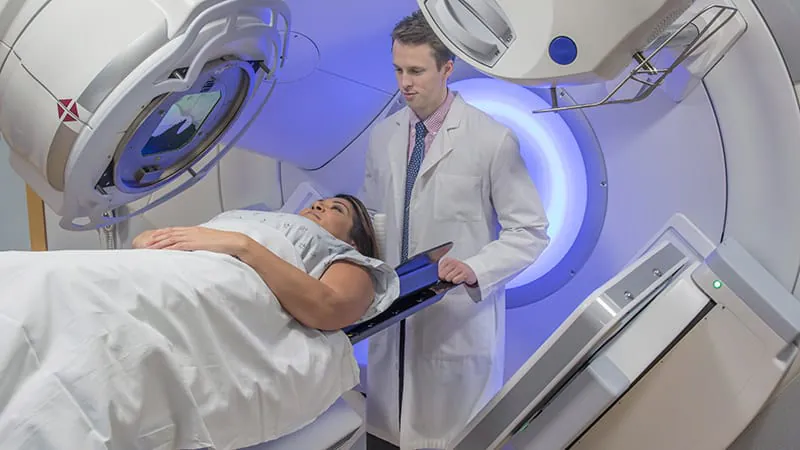
The study is particularly relevant as more clinicians consider skipping radiotherapy after lumpectomy for select patients, under the assumption that those patients will reliably take endocrine therapy instead. The data suggest that assumption may not hold up in practice — patients who omitted radiotherapy were twice as likely to fall below key adherence thresholds, possibly because radiation visits create more touchpoints with the care team that help keep patients engaged.
Why it matters: As de-escalation strategies that omit radiotherapy gain traction — especially in younger patients — clinicians need to factor in the real-world likelihood that patients will stay on endocrine therapy long term. This study is a call to action: assess tolerance early, revisit adherence regularly, and build in support systems to help patients stay the course.