Curie Brief
Turn on cookies to sign in
Signing in saves your progress to your Curie account. We can only do that with cookies on — turn them on to continue.
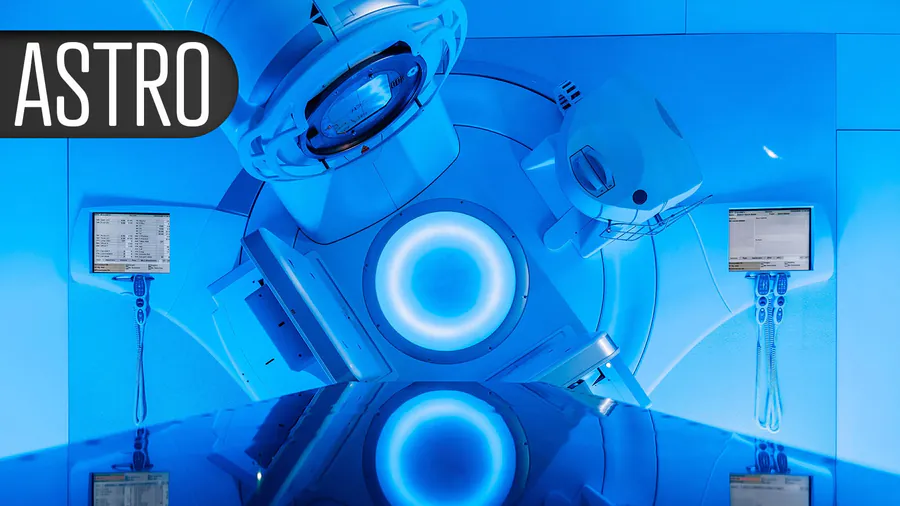
A major randomized trial just flipped the script on proton therapy for liver cancer. In the NRG-GI003 trial, patients with locally advanced hepatocellular carcinoma (HCC) who received photon radiation therapy lived more than twice as long as those treated with protons (54.9 vs. 26.6 months). Researchers say the results are surprising — but the debate over proton therapy's role in oncology is far from over.
A major clinical trial has delivered a surprising result for proton therapy in liver cancer. The multicenter randomized NRG-GI003 trial found that patients with locally advanced hepatocellular carcinoma (HCC) treated with photon radiation therapy lived more than twice as long as those receiving proton therapy — 54.9 months vs. 26.6 months. The trial was stopped early after an interim analysis met the pre-specified futility threshold.
Proton therapy did show one meaningful advantage: it significantly reduced radiation exposure to surrounding healthy tissue, translating into lower rates of severe side effects (11% vs. 24% for photons). However, this dosimetric benefit didn't translate into a survival edge. Experts at the ASTRO meeting noted that photons outperformed expectations, likely due to advances in systemic therapies like immune checkpoint combinations.
By the Numbers:
Why it matters: These findings challenge the assumption that proton therapy's dosimetric advantages automatically translate into better outcomes. Clinicians may need to reconsider when and for whom proton therapy is appropriate in liver cancer, while researchers explore whether dose escalation or patient selection could unlock its potential.