Curie Brief
Turn on cookies to sign in
Signing in saves your progress to your Curie account. We can only do that with cookies on — turn them on to continue.
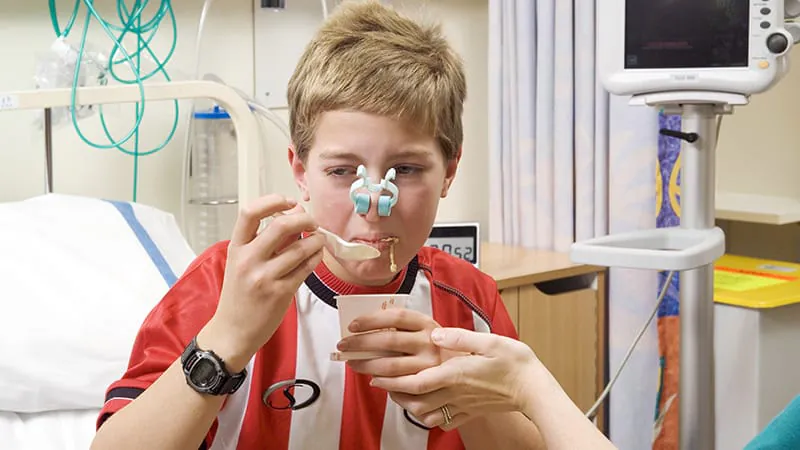
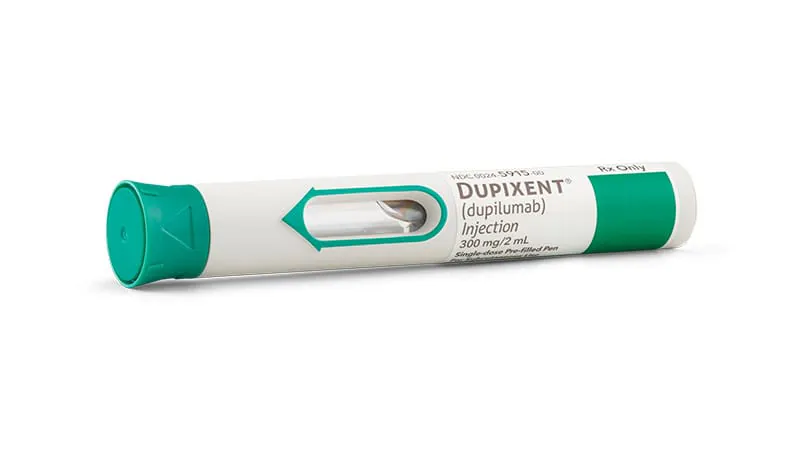
Falling IgE levels don't mean food safety for kids on dupilumab. A new study found that pediatric patients on dupilumab had significantly lower food-specific IgE levels, yet were more likely to react — and react severely — during oral food challenges than before treatment. Clinicians are urged to rethink how they interpret IgE results and decide on food challenges for these patients.
Dupilumab, a widely used biologic for atopic conditions like eczema and asthma, appears to lower food-specific IgE levels in kids with food allergies — but that drop doesn't translate to real-world tolerance. A retrospective study of 129 pediatric patients found that oral food challenges (OFCs) performed during or after dupilumab treatment had notably higher rates of reactions and anaphylaxis compared to those done before treatment, despite the lower IgE readings.
The findings raise an important red flag: IgE levels — a common marker used to gauge food allergy severity — may be misleading in patients on dupilumab, potentially giving a false sense of safety when deciding whether to attempt a food challenge.
By the Numbers
Why it matters: These findings suggest dupilumab is not an effective food desensitization therapy, and that clinicians should exercise caution when interpreting food-specific IgE results — or offering OFCs — in pediatric patients currently on the drug.