Curie Brief
Turn on cookies to sign in
Signing in saves your progress to your Curie account. We can only do that with cookies on — turn them on to continue.

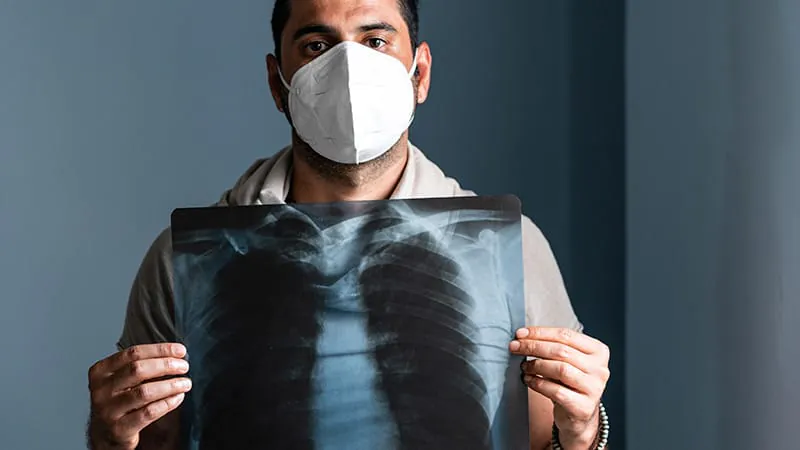
Forget antibiotics as the first line of defense — experts say nutrition, pulmonary rehab, and cleaner environments can dramatically reduce respiratory infection risk. At the ERS 2026 Congress, researchers highlighted how nutritional support cut TB mortality by 61% and household TB incidence by 39%. From gut microbiome research to pandemic-era behavioral changes, non-drug strategies are proving their worth in the fight against lung infections.
Antibiotics aren't the only weapon against respiratory infections — and experts at the European Respiratory Society 2026 Congress say they shouldn't even be the first. Researchers presented compelling evidence that nutrition, pulmonary rehabilitation, and environmental interventions can meaningfully reduce susceptibility to lower respiratory tract infections, which kill millions globally each year. The push comes amid growing concern over antimicrobial resistance, making prevention more critical than ever.
The RATIONS trial, a large cluster-randomized study in India, showed that structured nutritional support for TB patients and their household contacts delivered striking results. Post-TB pulmonary rehabilitation programs (6 weeks) also showed strong short-term gains in exercise capacity and quality of life. Meanwhile, pandemic-era behavioral changes — like masking — reduced global influenza and RSV incidence by approximately 60%.
The gut-lung axis is also emerging as a key player: low levels of the gut bacterium Faecalibacterium prausnitzii in hospitalized CAP patients correlate with slower recovery, while probiotic supplementation was associated with an 18% reduction in upper respiratory infections.
By the Numbers:
Why it matters: With antimicrobial resistance on the rise, non-drug strategies that strengthen host resilience offer a powerful — and underutilized — complement to antibiotics. The WHO has already updated its TB guidelines to reflect these findings, signaling a broader shift in how respiratory infections should be prevented and managed.