Curie Brief
Turn on cookies to sign in
Signing in saves your progress to your Curie account. We can only do that with cookies on — turn them on to continue.
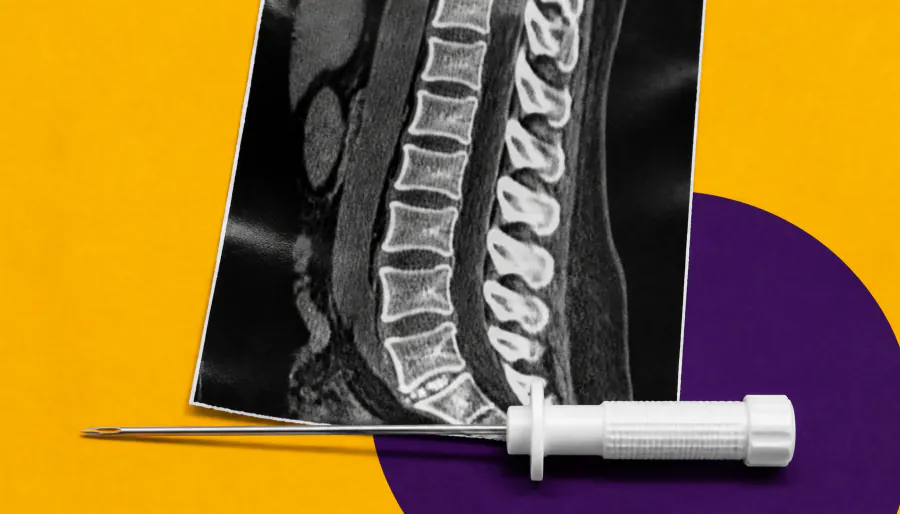
Non-invasive tests fall short in upper tract urothelial cancer follow-up. A new study found that combining CT urography and urinary cytology could cut ureteroscopy procedures by 69%, but would miss nearly 65% of cancer recurrences. Researchers conclude that ureteroscopy remains essential, with non-invasive tests serving as complementary tools rather than replacements.
Non-invasive tests can't go it alone in upper tract urothelial cancer surveillance
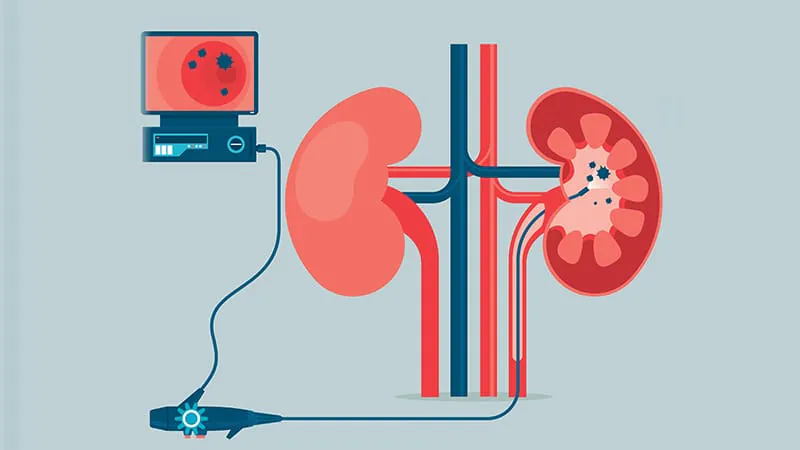
For patients with upper tract urothelial carcinoma (UTUC) managed with kidney-sparing endoscopic surgery, the appeal of replacing invasive ureteroscopy with CT scans and urine tests is understandable — but a new study says not so fast. Researchers from Paris and Milan analyzed 256 ureteroscopic procedures across 133 patients and found that while a combined CT urography and urinary cytology strategy could eliminate about 69% of ureteroscopies, it would also miss nearly 65% of recurrences.
The findings, published in BJU International, highlight a critical trade-off: non-invasive tests are simply not sensitive enough to safely stand alone. Of the missed recurrences, most were low-grade — but over 20% of those false-negative cases eventually required radical nephroureterectomy (kidney removal), underscoring the real clinical stakes.
By the Numbers
Why it matters: Ureteroscopy is invasive and resource-intensive, so reducing its frequency is an attractive goal. But this study makes clear that non-invasive tests aren't ready to take the wheel — they should be used to help stratify risk, not replace endoscopic surveillance entirely.