Curie Brief
Turn on cookies to sign in
Signing in saves your progress to your Curie account. We can only do that with cookies on — turn them on to continue.
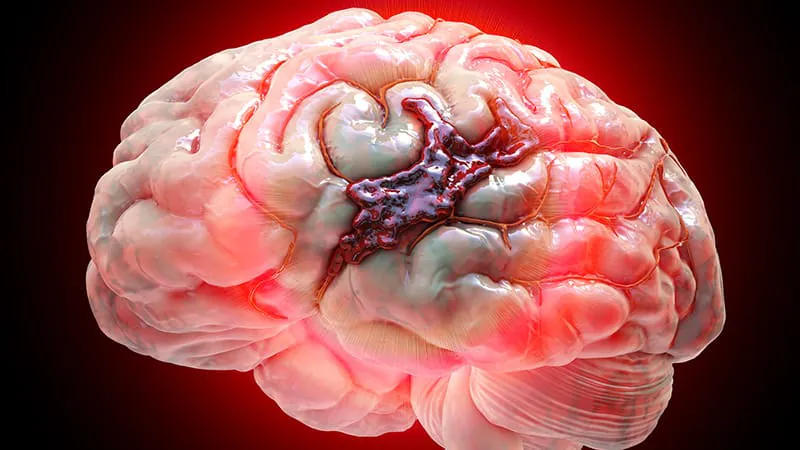
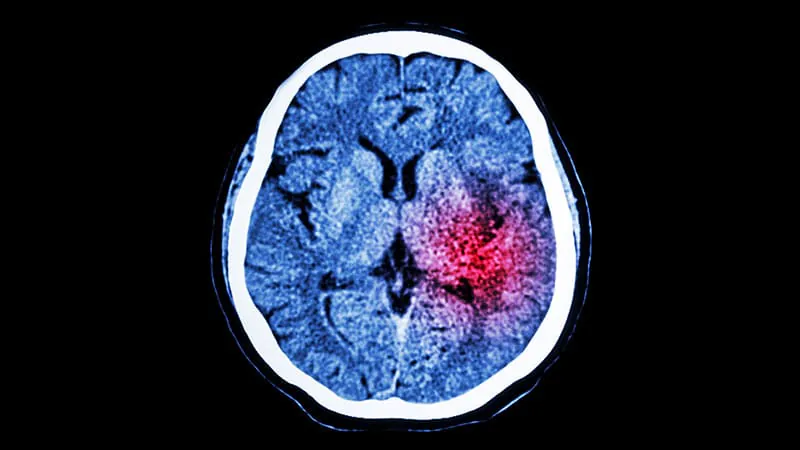
When a brain bleed happens may be just as important as the bleed itself. A large German study found that patients who suffered intracerebral hemorrhage (ICH) during evening or nighttime hours had significantly greater disability at discharge compared to those who had morning or midday bleeds. Nighttime onset independently predicted worse functional outcomes — though it wasn't tied to higher mortality.
When a brain bleed strikes could shape how well a patient recovers. A new study analyzing data from over 5,600 patients in a German stroke registry found that intracerebral hemorrhage (ICH) occurring in the evening or at night was linked to significantly worse disability at discharge — even after adjusting for other factors. Morning and midday bleeds, by contrast, were associated with relatively better short-term functional outcomes.
The study grouped patients by time of symptom onset — morning, midday, evening, and night — and measured disability using the modified Rankin Scale (mRS). Nighttime onset independently raised the odds of greater disability at discharge by 30%, alongside other predictors like older age and the need for mechanical ventilation. Notably, mortality rates didn't differ significantly across time groups after adjustment.
Researchers suggest the findings may point to a mix of biological (circadian rhythm) and care-system factors — like staffing and resource availability — that vary by time of day. They call for future studies to untangle these influences and potentially guide "chronotherapeutic" approaches to stroke care.
Key Takeaways:
Why it matters: If time of day influences stroke recovery — whether through biology or care gaps — hospitals may need to rethink how they deliver consistent, around-the-clock stroke care to level the playing field for all patients.