Curie Brief
Turn on cookies to sign in
Signing in saves your progress to your Curie account. We can only do that with cookies on — turn them on to continue.
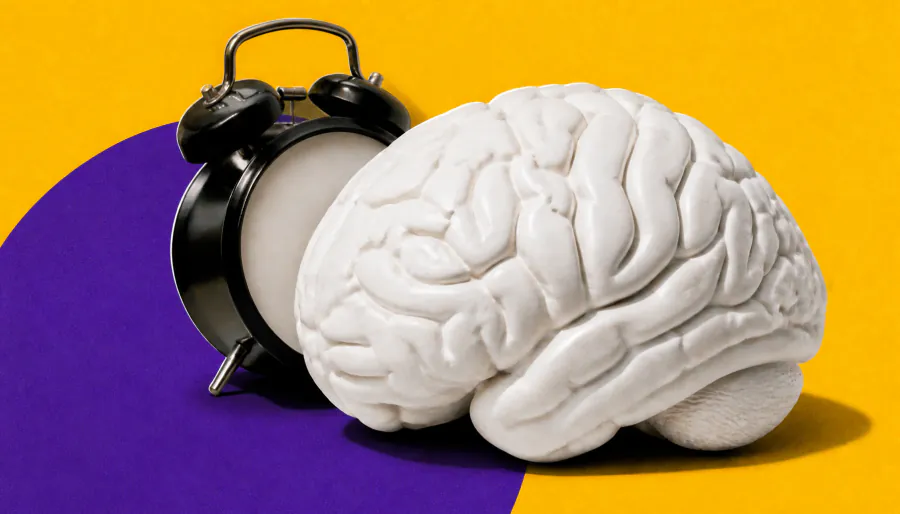
Your internal clock might be key to bouncing back from a stroke. Researchers at the University of Rochester found that reinforcing circadian rhythms in mice — through timed light, melatonin, a clock-targeting drug, or time-restricted feeding — improved motor recovery, reduced brain inflammation, and boosted the brain's waste-clearing system. Remarkably, the benefits held even when treatment started three days after the stroke.
Your body's internal clock may do more than regulate sleep — it could also be a powerful tool for stroke recovery. Scientists at the University of Rochester Medical Center found that strengthening circadian rhythms in mouse models of stroke led to better motor recovery, smaller brain lesions, and lower levels of inflammatory molecules. The key mechanism? The glymphatic system — the brain's built-in waste-clearing network — which runs most efficiently during sleep and is tightly linked to circadian biology.
The team tested several circadian-boosting interventions: timed light exposure, melatonin, a clock-targeting drug called KL001, and time-restricted feeding. The most promising — KL001 and time-restricted feeding — were then applied to stroke models, with treatment starting three days post-stroke, well outside the narrow window for standard acute treatments like clot-busting drugs.
Key Takeaways:
Why it matters: Stroke recovery options beyond the acute phase are limited. A circadian-based approach — especially one as accessible as time-restricted eating — could open new doors for long-term rehabilitation, both in hospitals and at home. Human trials are the next frontier.