Curie Brief
Turn on cookies to sign in
Signing in saves your progress to your Curie account. We can only do that with cookies on — turn them on to continue.
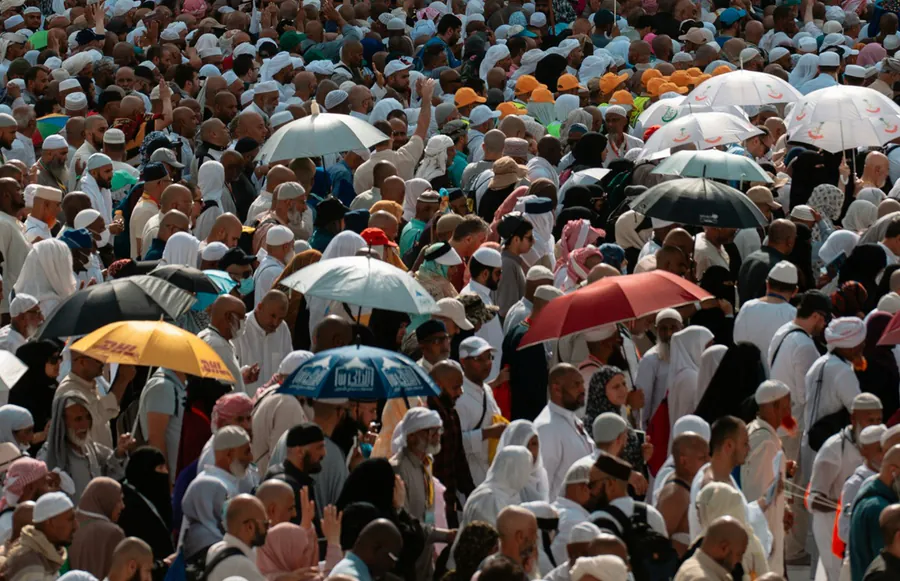
As extreme heat becomes a growing global threat, the WHO has published new guidance to help event organizers and host countries prevent and manage heat-related illness at mass gatherings. A review of nearly half a million medical encounters found that over 90% of heat-related cases can be treated on-site with proper preparation — keeping patients out of hospitals and reducing pressure on emergency services.
As climate change drives more frequent and intense heatwaves, the WHO has released a comprehensive new framework for managing heat-related illness at mass gatherings — think major sporting events, religious pilgrimages, and cultural festivals. The guidance, backed by a systematic review of studies from 1980 to 2025, draws on nearly half a million medical encounters at such events and makes a compelling case: with the right systems in place, the vast majority of heat casualties can be handled right at the venue.
The WHO's whole-of-event approach emphasizes that heat risk isn't just a weather problem — it's an operational and governance challenge. Venue design, crowd flow, water access, workforce protection, and real-time health surveillance all play a role in keeping attendees safe.
By the Numbers:
Why it matters: With global temperatures rising and mass gatherings only growing in scale, this guidance gives governments and event organizers a concrete roadmap to protect public health — and reduce the strain on local emergency services — before the heat becomes a crisis.