Curie Brief
Turn on cookies to sign in
Signing in saves your progress to your Curie account. We can only do that with cookies on — turn them on to continue.
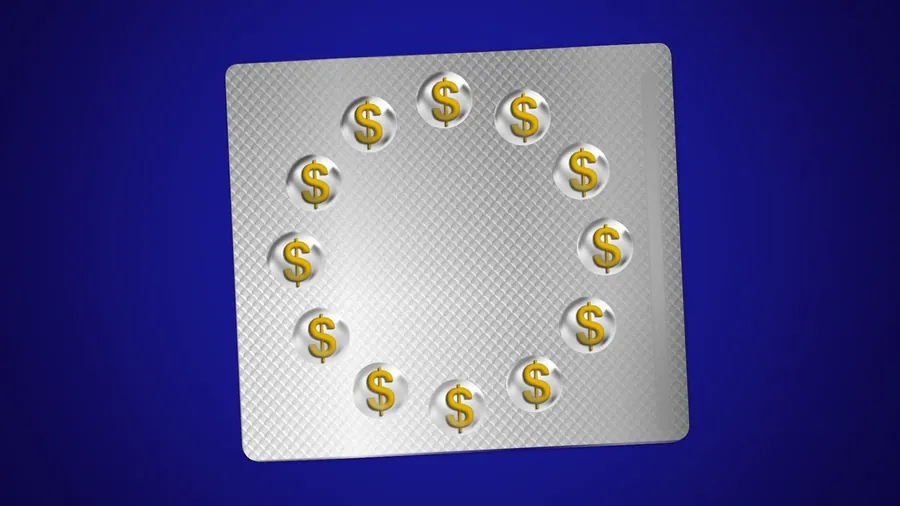
New 100% tariffs on patented drugs are squeezing small and midsize biotech firms that rely heavily on overseas manufacturing. The Trump administration is offering exemptions for companies that agree to "most favored nation" pricing deals or commit to moving production back to the U.S. But industry groups warn the duties could stifle R&D, push smaller firms into Big Pharma mergers, and ultimately hurt patient access.
A new wave of 100% tariffs on certain patented drugs and pharmaceutical ingredients took effect this week, targeting smaller biotech and biopharma companies that depend on overseas contract manufacturers — particularly in hubs like India and Singapore. The Trump administration framed the move as a national security measure, noting that more than half of branded drug products have at least one manufacturer outside the U.S. This second phase follows an earlier round that hit large drug manufacturers at the end of July.
The administration is offering a lifeline of sorts: three-year full exemptions for companies that sign voluntary "most favored nation" (MFN) drug pricing agreements and commit to onshoring production. Companies that only commit to onshoring face a reduced 20% tariff until 2030. Nine categories of specialty drugs from countries with U.S. trade agreements — including the EU, UK, Switzerland, Japan, and South Korea — are also exempt, and generic drugs are largely spared.
Key Takeaways:
Why it matters: For smaller biotechs — often the engines of tomorrow's breakthrough medicines — these tariffs could divert critical R&D funding, accelerate consolidation, and create unpredictable disruptions to drug availability. The stakes extend beyond business: patient access to specialty drugs could be at risk if companies scale back or exit the market.