Curie Brief
Turn on cookies to sign in
Signing in saves your progress to your Curie account. We can only do that with cookies on — turn them on to continue.
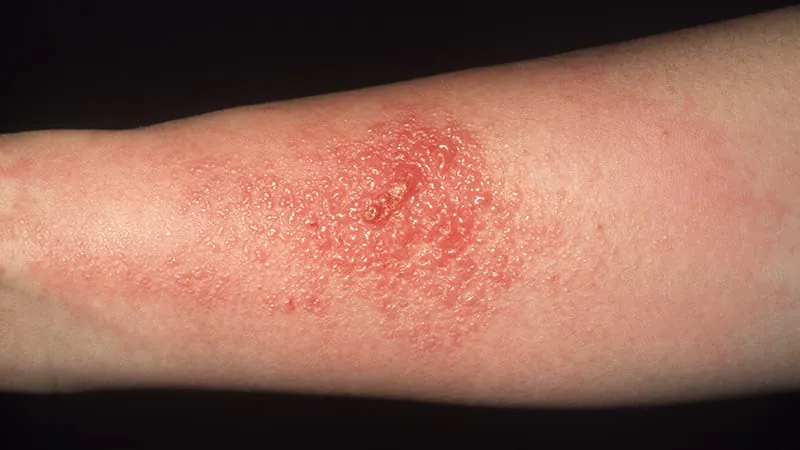
A new study finds that 4.3% of patch-tested patients are allergic to paraphenylenediamine (PPD), a common chemical in hair dyes — and many "PPD-free" products still contain closely related compounds that trigger the same reactions. Most patients went nearly five years before getting a diagnosis. The good news: 77% of those who avoided PPD products saw near-complete remission.
A retrospective study of over 1,300 patch-tested patients found that 4.3% tested positive for paraphenylenediamine (PPD) allergy — a chemical widely used in permanent hair dyes. The typical patient was a woman in her late 40s who had been suffering symptoms for nearly five years before receiving a diagnosis. Hair dye was the culprit in 77% of cases, while hairdressers and students made up the occupational exposure group.
What's particularly concerning: a review of "PPD-free" products found that most still contained chemically similar compounds like para-toluenediamine and aminophenols — capable of triggering the same allergic reactions. Of seven "PPD-free" permanent dyes reviewed, only one was truly free of all related compounds. One brow/lash tint was flagged for a UK product safety report for misleadingly marketing a para-toluenediamine-containing product as "PPD-free."
By the Numbers:
Why it matters: Misleading "PPD-free" labeling leaves allergic consumers vulnerable to ongoing exposure and delayed recovery. Researchers are calling for stricter regulatory oversight and mandatory disclosure of all aromatic-amine derivatives on cosmetic product labels — a change that could significantly reduce disease burden for patients and clinicians alike.