Curie Brief
Turn on cookies to sign in
Signing in saves your progress to your Curie account. We can only do that with cookies on — turn them on to continue.
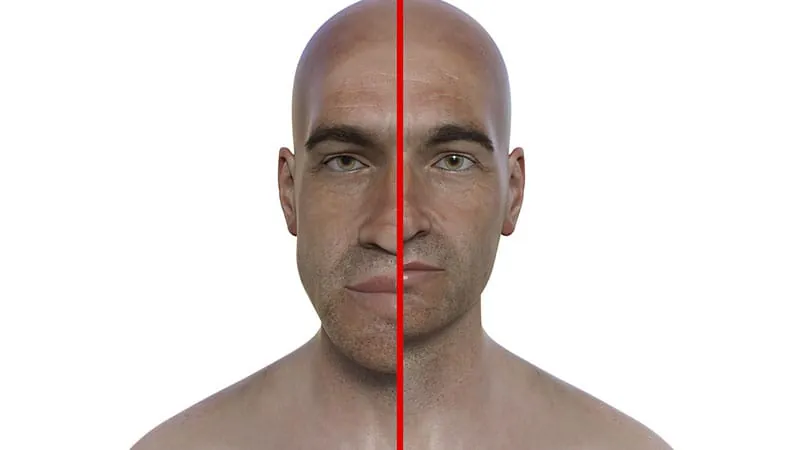
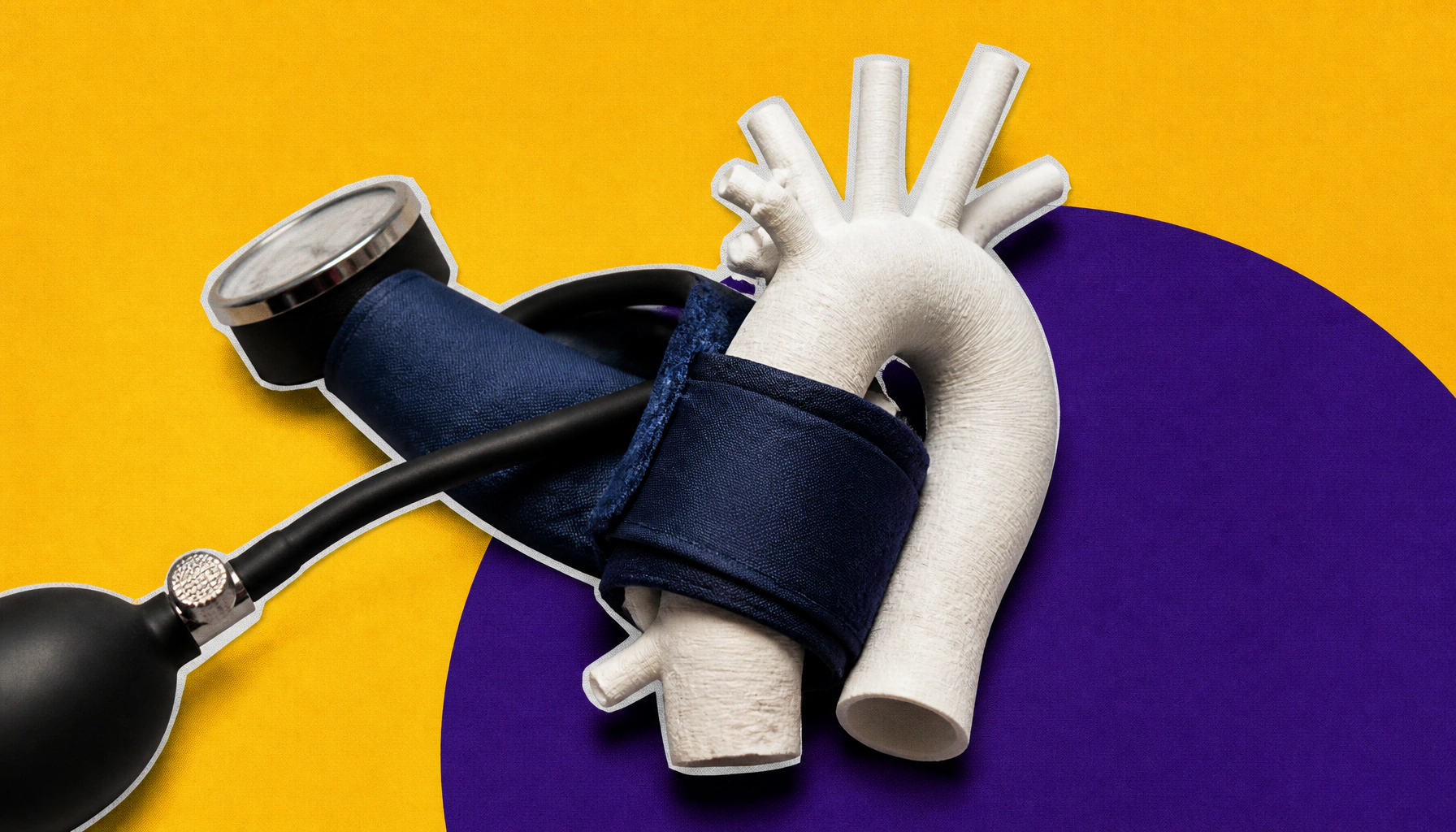
Heart risks in acromegaly start before diagnosis and don't quit. A Finnish nationwide cohort study found that patients with acromegaly carry about 1.6 times the cardiovascular burden of the general population — and that risk lingers for decades, even in patients who achieve biochemical remission. The findings make a strong case for earlier diagnosis and long-term cardiovascular monitoring.
A large Finnish nationwide cohort study has found that patients with acromegaly face roughly 1.6 times the cardiovascular morbidity of matched individuals from the general population — and the risk doesn't wait for a diagnosis to show up. Elevated cardiovascular burden was already detectable years before patients were formally diagnosed, and it persisted for more than 30 years of follow-up.
The study tracked 565 acromegaly patients diagnosed between 1980 and 2015 against 5,629 matched controls. Even patients who underwent surgery and achieved normal IGF-1 levels still showed significantly higher rates of hypertension and cardiac arrhythmias compared to controls — suggesting that biochemical remission alone isn't enough to erase the cardiovascular legacy of the disease.
These findings underscore that acromegaly is far more than a hormonal disorder — it carries a serious, long-lasting cardiovascular footprint. Clinicians should prioritize earlier diagnosis and sustained cardiovascular monitoring, even in patients who appear biochemically controlled.