Curie Brief
Turn on cookies to sign in
Signing in saves your progress to your Curie account. We can only do that with cookies on — turn them on to continue.
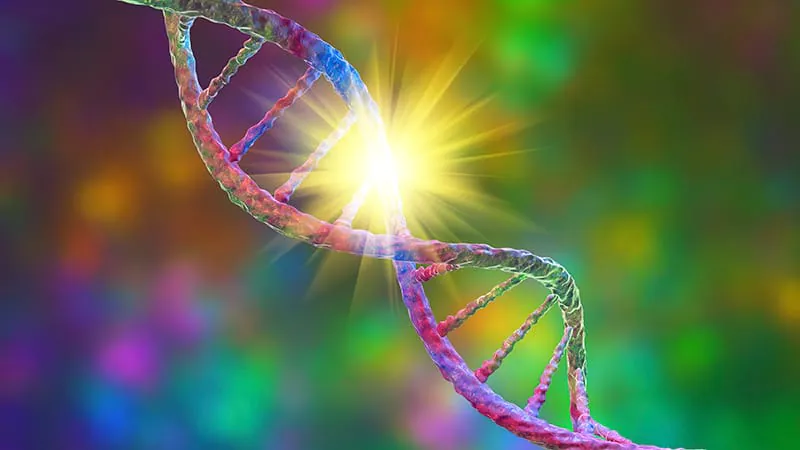
A new cell-based therapy could change the game for patients with cystic fibrosis (CF) and primary ciliary dyskinesia (PCD) who have no targeted treatment options. Researchers transplanted healthy airway basal stem cells into preclinical models, achieving long-term engraftment and restoring lung function. The approach sidesteps the notoriously tough airway epithelial barrier that has foiled over 25 gene therapy trials.
For patients with rare CF mutations or primary ciliary dyskinesia (PCD) — a condition caused by over 60 different genes — targeted therapies simply don't exist. Traditional gene delivery methods have repeatedly failed to penetrate the airway's tough epithelial barrier, leaving these patients without effective options. Researchers at Boston University are now betting on a different approach: transplanting healthy airway basal stem cells directly into the lung lining.
Presented at the ERS 2026 International Congress, the preclinical data are striking. In mouse models, transplanted basal cells engrafted successfully, rebuilt the airway lining, and restored CFTR chloride channel function to near-normal levels. Donor cells persisted for 751 days — essentially the entire lifespan of a lab mouse. In ferret models (whose airways closely resemble human lungs), the team scaled up the approach via bronchoscopy, ultimately achieving 80% tracheal surface coverage by week 6, with donor cells differentiating into all key airway cell types.
Key Takeaways:
Why it matters: This platform could offer the first viable treatment pathway for CF patients with rare mutations and all PCD patients — populations currently left behind by existing therapies. If human trials confirm these results, it would represent a meaningful shift in how genetic lung diseases are treated.