Curie Brief
Turn on cookies to sign in
Signing in saves your progress to your Curie account. We can only do that with cookies on — turn them on to continue.
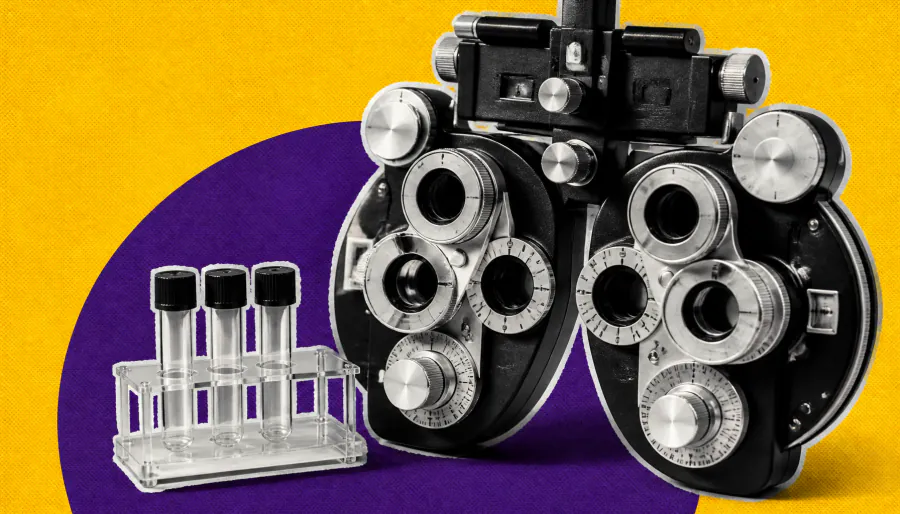
Optometrists are being called to step up their role in clinical research. At Optometry's Meeting, two experts made the case that getting involved in clinical trials — from dry eye to glaucoma to myopia management — is one of the best ways ODs can expand patient care options. The catch? Only 10% of patients hear about trials from their doctors.
Optometrists are already embedded in some of the most active areas of clinical research — dry eye, glaucoma, myopia management, and presbyopia — but many aren't fully leveraging that position. At Optometry's Meeting in Phoenix, Drs. Roya Attar and Mohammad Rafieetary urged ODs to get more intentional about clinical trial participation, both as recruiters and as investigators.
The speakers walked attendees through the nuts and bolts: trial phases (Phase 1 safety → Phase 4 post-market surveillance), key terminology like randomization, masking, and endpoints, and the practical hurdles of recruitment — which they called one of the hardest parts of the process. Attar emphasized that trials don't just cover drugs; they also evaluate devices, diagnostics, software, and surgical outcomes.
Key Takeaways:
Why it matters: With many trials stalling due to poor recruitment, optometrists — who see patients regularly and manage chronic eye conditions — are uniquely positioned to accelerate research and bring cutting-edge treatments to patients who might otherwise miss out.