Curie Brief
Turn on cookies to sign in
Signing in saves your progress to your Curie account. We can only do that with cookies on — turn them on to continue.
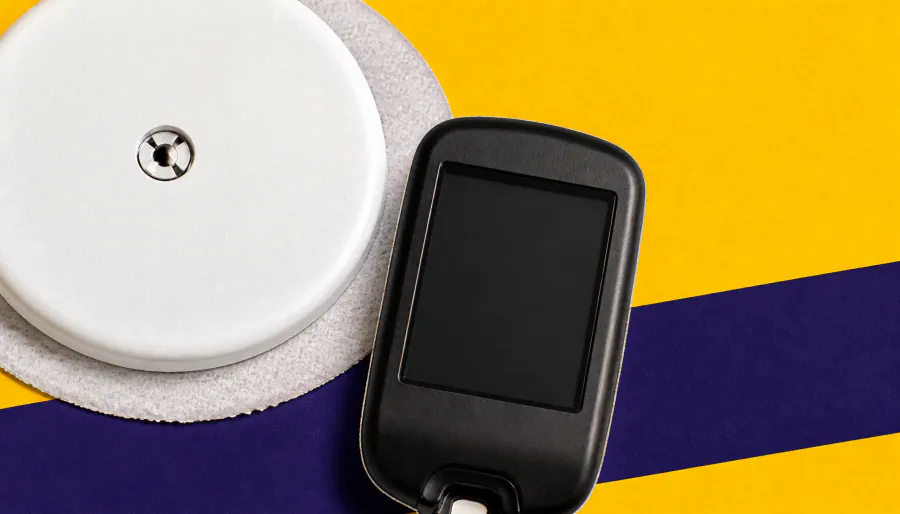
Adults with type 1 diabetes can safely run marathons, a small study found — but there's a catch. CGM devices consistently overestimated blood glucose compared to traditional glucometers during the race, meaning runners shouldn't rely on sensors alone. Researchers say using both tools together is key to safe glucose management during endurance events.
Good news for runners with type 1 diabetes: a small study presented at the European Association for the Study of Diabetes (EASD) annual meeting found that all 10 participants with T1D successfully completed the 2025 Poznań Marathon in Poland — with finishing times comparable to 10 non-diabetic controls. No runner hit the danger threshold for ketones, and the structured insulin and carbohydrate protocol kept everyone safely in the race.
But here's the important caveat: CGM devices weren't fully reliable during the run. Both the Dexcom G7 and Abbott FreeStyle Libre 2 read significantly higher than capillary glucometer measurements — meaning runners could have mistakenly delayed carbohydrate intake when their glucose was actually dropping. Researchers emphasize that CGMs and glucometers should be used together, not interchangeably, during prolonged exercise.
By the Numbers:
Why it matters: This study offers real-world reassurance that marathon running is achievable for people with T1D — but it also flags an important safety gap. CGM inaccuracy during intense exercise could lead to dangerous hypoglycemia if runners don't cross-check with a glucometer. Larger studies are needed, but the message for now is clear: bring both devices to the starting line.