Curie Brief
Turn on cookies to sign in
Signing in saves your progress to your Curie account. We can only do that with cookies on — turn them on to continue.
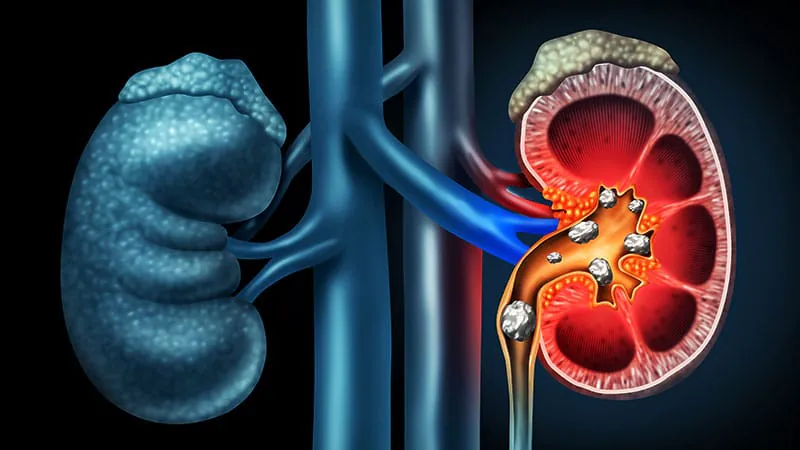
When kidney stone surgery runs long, older patients pay the price. A new study found that percutaneous nephrolithotomy (PCNL) lasting 95 minutes or more was linked to more than triple the odds of complications in patients aged 70 and older. Researchers say the 95-minute mark should serve as an intraoperative checkpoint — not a hard stop — to weigh the risks of continuing versus the benefits of further stone clearance.
When it comes to kidney stone surgery in older adults, time is more than just money — it may be a key risk factor. A large retrospective study across 21 centers in 15 countries found that percutaneous nephrolithotomy (PCNL) lasting 95 minutes or more was independently associated with significantly higher odds of postoperative complications in patients aged 70 and older.
The study tracked 716 older patients who underwent PCNL between 2014 and 2025, monitoring complications within 30 days of surgery. Overall, about 1 in 6 patients experienced a complication. Researchers used ROC curve analysis to pinpoint the 95-minute threshold as the most clinically meaningful cutoff.
By the Numbers:
Why it matters: As the global population ages, more older and frailer patients are undergoing complex urological procedures. This study gives surgeons a practical, data-backed checkpoint to reassess risk mid-procedure — potentially preventing serious complications without abandoning the goal of complete stone clearance.