Curie Brief
Turn on cookies to sign in
Signing in saves your progress to your Curie account. We can only do that with cookies on — turn them on to continue.
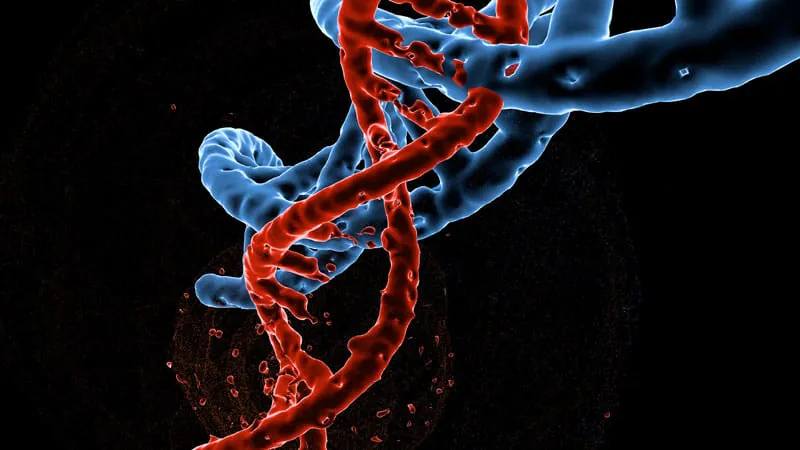
The field of inborn errors of immunity (IEIs) is undergoing a revolution. Faster, cheaper genetic testing has uncovered mutations behind hundreds of rare immune disorders, and the FDA recently approved the first-ever gene therapies for two of them. Experts say early diagnosis is critical — but many patients still wait decades to get one.
The field of inborn errors of immunity (IEIs) — a broad group of rare disorders where the immune system is missing or malfunctioning — is experiencing a dramatic transformation. Advances in genetic testing have identified mutations behind over 555 IEIs, enabling more precise diagnoses and opening the door to targeted treatments and even cures. In a landmark development, the FDA approved the first-ever gene therapies for IEIs in late 2025 and early 2026: Waskyra for Wiskott-Aldrich syndrome and Kresladi for severe leukocyte adhesion deficiency type I.
Adding to the momentum, researchers recently identified the first genetic cause of pyoderma gangrenosum (PG) — a painful, treatment-resistant skin ulcer disorder — tracing it to a mutation in the OTULIN inflammation pathway. One patient who had suffered recurring ulcers since age 13 achieved remission after receiving a TNF inhibitor targeted to his specific mutation.
Key Takeaways:
Why it matters: Earlier diagnosis and precision treatments — including gene therapy — can prevent irreversible organ damage and save lives. Primary care providers and specialists play a crucial role in recognizing IEI warning signs before patients reach an immunologist.