Curie Brief
Turn on cookies to sign in
Signing in saves your progress to your Curie account. We can only do that with cookies on — turn them on to continue.
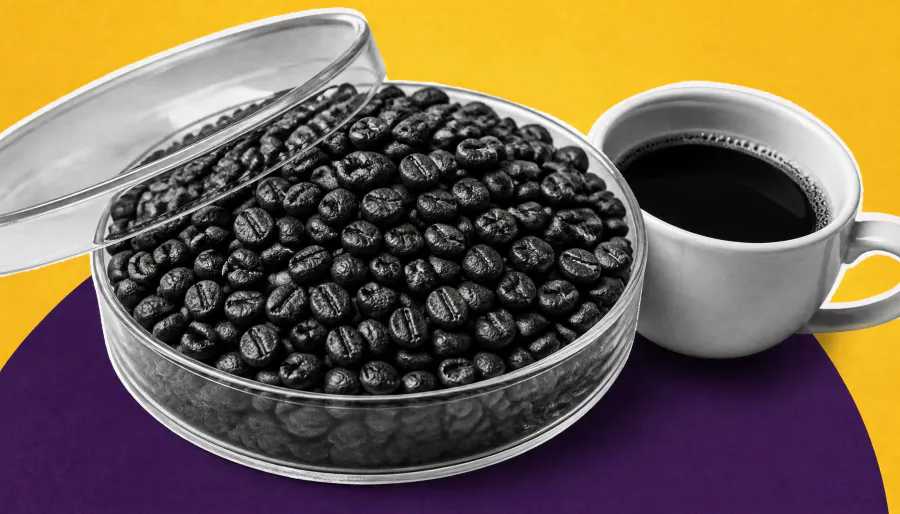
Coffee reshapes your gut — and possibly your mind. A new study published in Nature Communications found that both caffeinated and decaf coffee alter gut microbiome composition and are linked to lower stress, depression, and impulsivity. Interestingly, decaf was tied to better memory and learning, while caffeinated coffee reduced anxiety and improved attention — suggesting coffee's benefits go well beyond caffeine.
Coffee's effects on the body may run much deeper than a quick energy boost. Researchers at APC Microbiome Ireland, University College Cork, published a study in Nature Communications showing that both caffeinated and decaffeinated coffee can meaningfully alter the gut microbiome — and through the gut-brain axis, may influence mood, stress, memory, and attention.
The study followed 62 participants (31 regular coffee drinkers, 31 non-drinkers). Coffee drinkers first abstained for two weeks, then were reintroduced to either caffeinated or decaf coffee — without knowing which. Both groups reported lower stress, depression, and impulsivity after resuming coffee, pointing to benefits that aren't solely caffeine-driven.
By the Numbers:
Why it matters: These findings challenge the idea that caffeine is coffee's only active ingredient. Coffee's thousands of compounds — including polyphenols — may interact with gut microbes in distinct ways, opening the door to dietary strategies that leverage coffee as a tool for gut and mental health.