Curie Brief
Turn on cookies to sign in
Signing in saves your progress to your Curie account. We can only do that with cookies on — turn them on to continue.
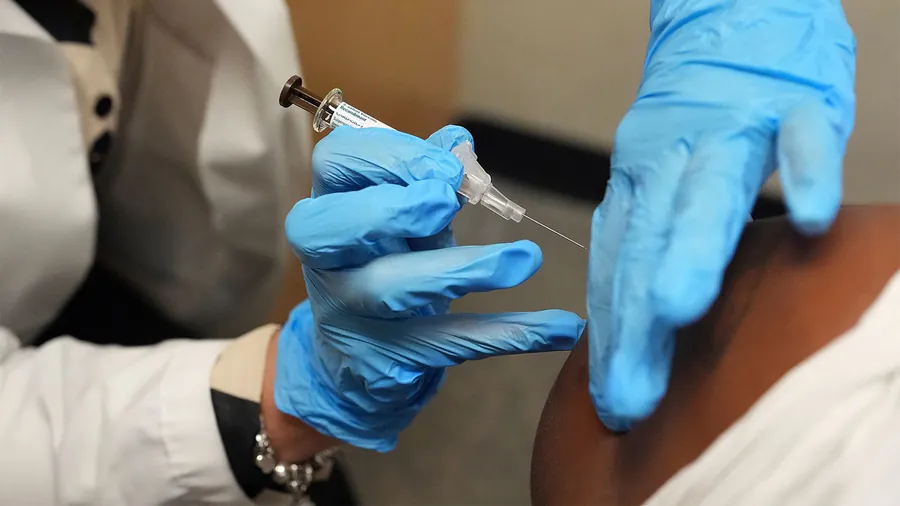
Medical experts are debating whether one dose of the HPV vaccine — instead of two — offers sufficient protection for preteens. A landmark Costa Rica study found a single shot provided ~97% protection against cervical cancer, comparable to two doses. While guidance is still evolving, current recommendations remain two shots, especially given limited data for boys and non-cervical cancers.
Could one HPV shot be just as good as two? That's the question medical experts are actively debating, and the answer could reshape how millions of preteens are vaccinated against one of the leading causes of cancer in the U.S. HPV is responsible for nearly 50,000 cancer cases annually, including ~90% of cervical and anal cancers. The vaccine has been a clear success story — dramatically cutting infections, genital warts, and precancerous lesions since its debut in 2006.
The push toward a single-dose recommendation gained momentum after a Costa Rica study tracking 20,000+ girls over 5 years found one shot offered ~97% protection against cervical cancer — on par with two doses. The American Academy of Pediatrics is actively exploring a guidance update, though experts caution that data on boys and non-cervical cancers remain limited. For now, two doses are still the official recommendation.
By the Numbers:
Why it matters: A shift to a single-dose schedule could simplify vaccination, reduce barriers, and potentially boost the stubbornly flat 63% completion rate among U.S. teens — getting more kids protected against a preventable cancer.