Curie Brief
Turn on cookies to sign in
Signing in saves your progress to your Curie account. We can only do that with cookies on — turn them on to continue.
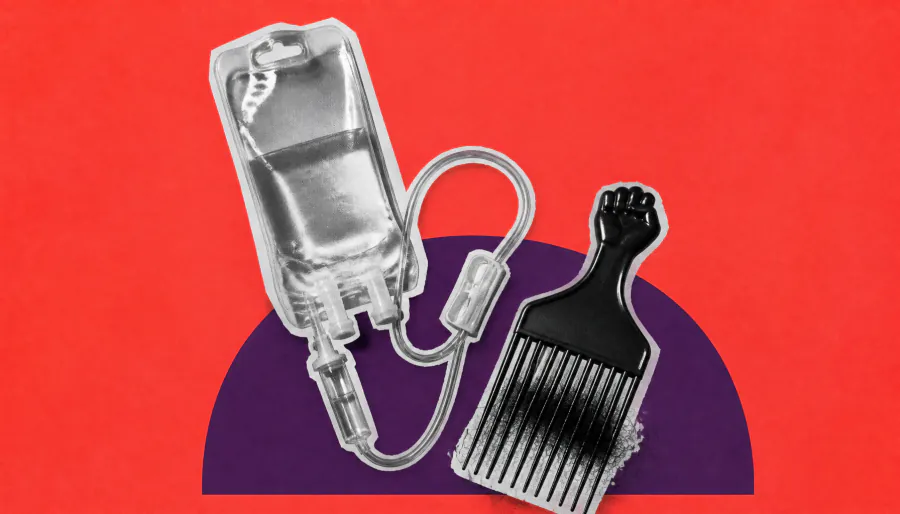
A new pilot study finds that younger Black women with breast cancer experience significantly more emotional distress from chemotherapy-induced hair loss than older patients. Age was the strongest predictor of quality-of-life burden, affecting self-image, social life, and work. Researchers are calling for proactive, supportive counseling as a standard part of cancer care.
A pilot study published in the Journal of the American Academy of Dermatology reveals that younger Black women with breast cancer are disproportionately affected by the emotional toll of chemotherapy-induced hair loss. Researchers at the University of Chicago surveyed 24 women with skin of color undergoing treatment for non-metastatic breast cancer, finding that age was the single strongest predictor of quality-of-life burden related to hair loss.
Younger patients were more likely to feel different from others, report a negative impact on self-image, worry that hair loss signaled cancer to strangers, and experience difficulties at work. Older patients, by contrast, were more likely to feel like themselves and feel good about their appearance despite hair loss. Researchers note that hair plays a particularly significant role in identity for younger women, and that its loss compounds the already heavy burden of a cancer diagnosis.
Key Takeaways:
Why it matters: Most existing research on chemo-related hair loss has focused on white patients, leaving a critical gap in understanding the experiences of Black women. This study underscores the need for dermatologists and oncologists to initiate early, culturally sensitive emotional support conversations — especially with younger patients who may not openly express their distress.