Curie Brief
Turn on cookies to sign in
Signing in saves your progress to your Curie account. We can only do that with cookies on — turn them on to continue.
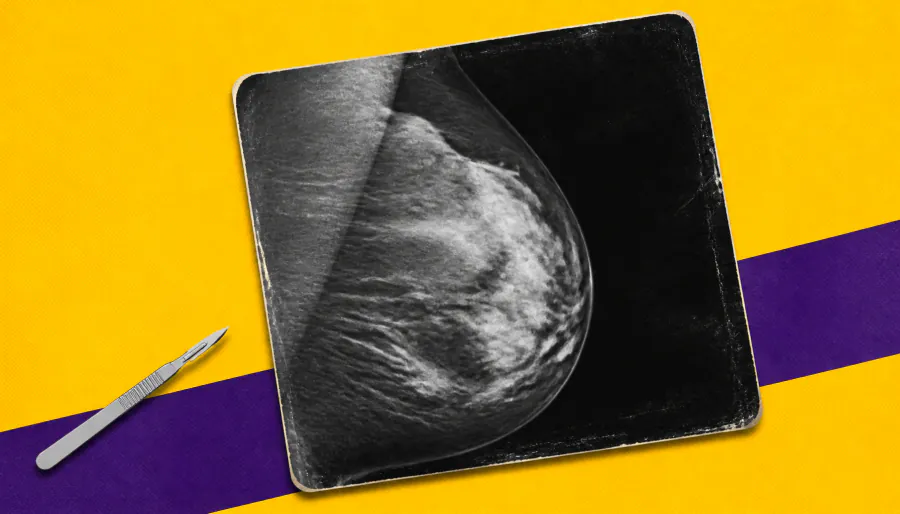
Smaller surgical margins don't mean more cancer risk for most DCIS patients. A large patient-level analysis of over 11,000 women found that negative margins under 2 mm after breast-conserving surgery did not significantly increase the risk of cancer returning in the same breast — with or without radiation. The one exception: women under 50, who showed nearly double the recurrence risk with narrower margins.
Smaller surgical margins don't mean more cancer risk for most DCIS patients
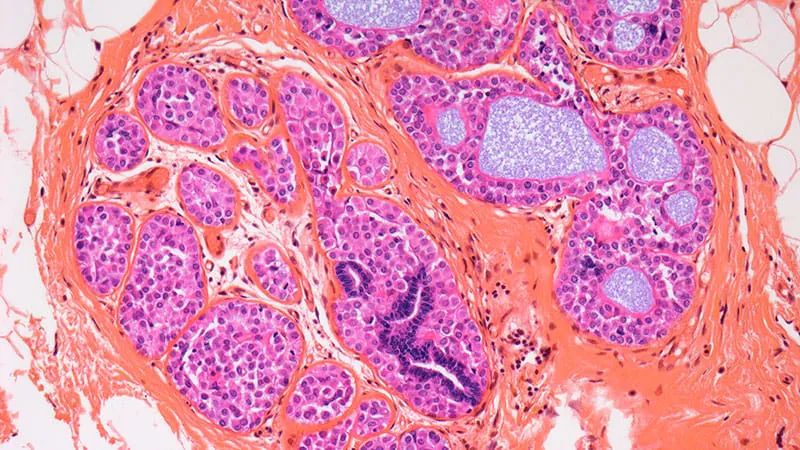
A major new study is challenging the conventional wisdom around surgical margins in breast cancer treatment. Analyzing data from over 11,000 women with ductal carcinoma in situ (DCIS) — a non-invasive, early-stage breast cancer — researchers found that negative margins narrower than 2 mm after lumpectomy did not meaningfully raise the risk of cancer recurring in the same breast, compared to the guideline-recommended ≥2 mm margin. This held true whether or not patients received radiation therapy.
The key exception: women younger than 50 with margins under 2 mm faced nearly twice the recurrence risk, suggesting this group may still benefit from wider clearance or closer monitoring.
By the Numbers
Why it matters: These findings could reduce unnecessary re-excision surgeries for patients with close but negative margins — sparing them additional procedures, costs, and anxiety — while flagging younger women as a group that may need more careful surgical planning.