Curie Brief
Turn on cookies to sign in
Signing in saves your progress to your Curie account. We can only do that with cookies on — turn them on to continue.
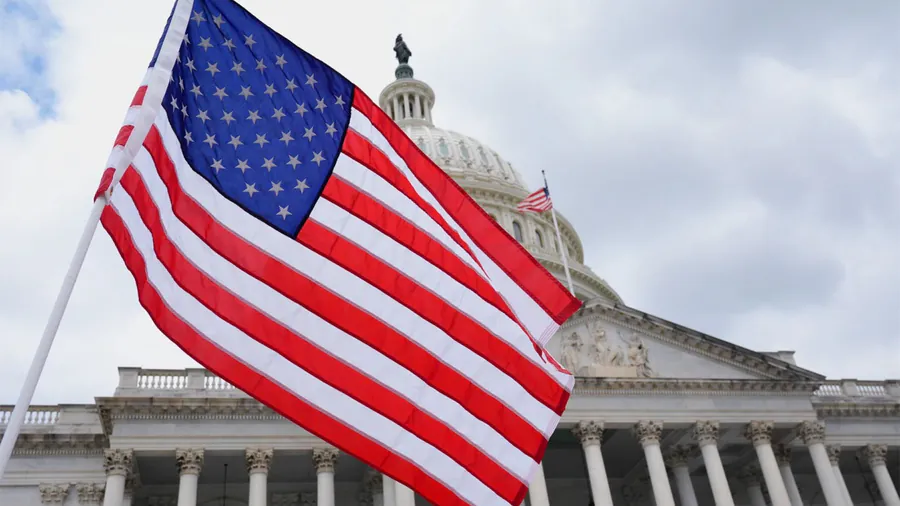
Trump cuts nearly $1B in HHS programs using a rare and contested "pocket rescission" maneuver last meaningfully used in 1977. The cuts target refugee services, unaccompanied minor programs, and grants the administration labeled "ideological." Congressional leaders from both parties are pushing back, calling the move unconstitutional and an overreach of executive power.
President Trump announced the cancellation of nearly $1 billion in congressionally approved spending, invoking a rare and legally contested tool called a "pocket rescission." The cuts primarily target HHS programs serving refugees and unaccompanied minors, with the administration arguing the funds are no longer needed due to reduced illegal border crossings. Additional targets include education programs for migrant students, minority business development initiatives, housing counseling services, and HHS grants the White House labeled "outright harmful and blatantly ideological."
The move drew swift bipartisan criticism. Senate Appropriations Committee Chair Susan Collins (R-ME) called it illegal and a "usurpation of Congress's appropriations powers," while Sen. Patty Murray (D-WA) called it "theft from the American people." The Government Accountability Office has also stated that pocket rescissions are illegal. Trump made congressional review nearly impossible by announcing the cuts with just 5 days left in the fiscal year and the House out of session.
By the Numbers:
Why it matters: This action signals an escalating executive push to control federal spending unilaterally, with direct implications for healthcare funding, refugee health services, and the balance of power between Congress and the White House.