Curie Brief
Turn on cookies to sign in
Signing in saves your progress to your Curie account. We can only do that with cookies on — turn them on to continue.
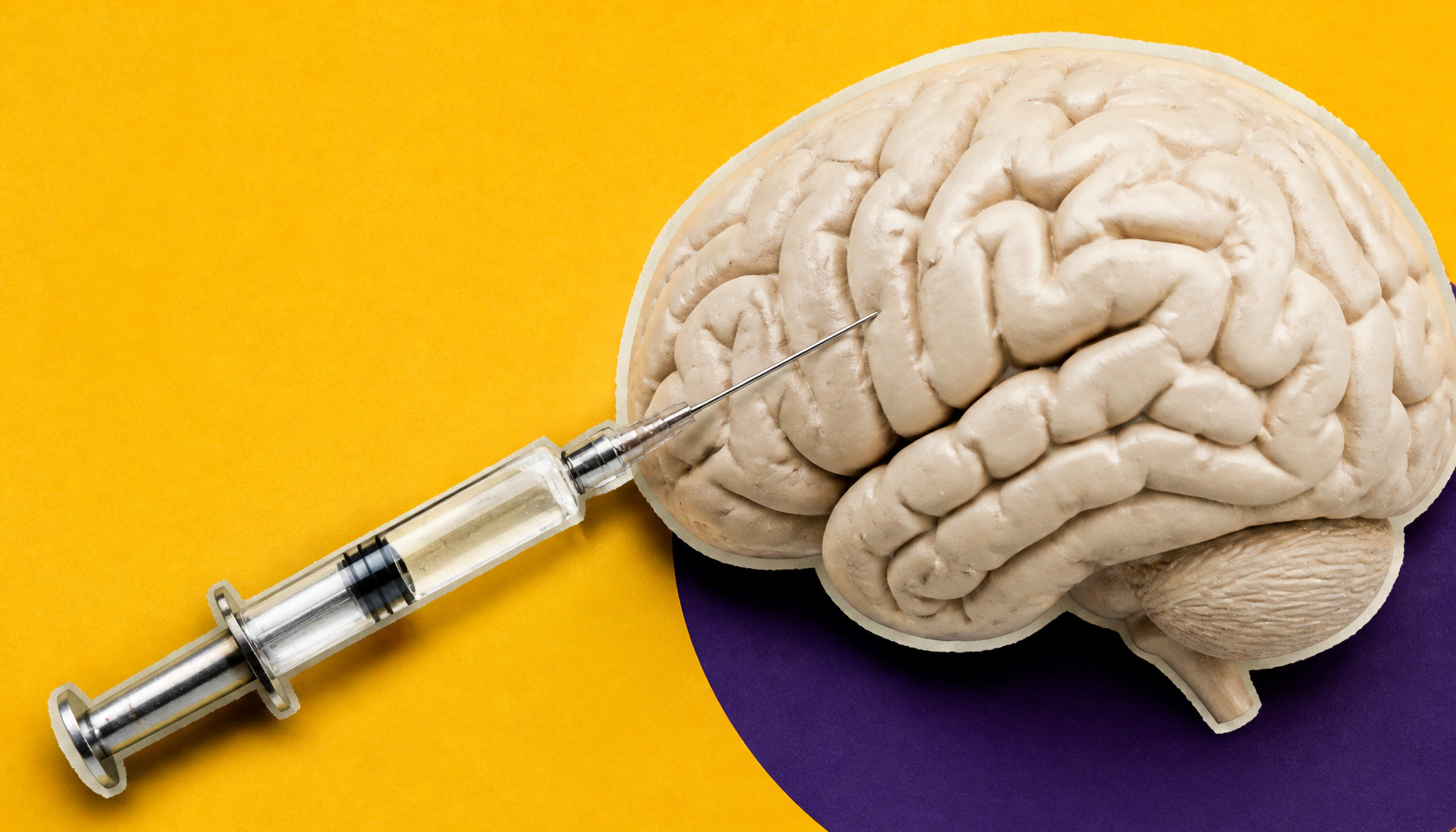
Two new studies are giving stroke recovery research a serious boost. Researchers at the University of Zurich showed that transplanted human neural stem cells generated new neurons, improved blood vessels, and restored movement in stroke-damaged mice — and a separate Duke University team found that an injectable biomaterial scaffold produced similar multi-pronged repair. Both approaches remain preclinical but signal a promising shift toward actually rebuilding the brain after stroke.
Two new preclinical studies are pushing stroke recovery science in an exciting direction — from managing damage to actually reversing it. Researchers at the University of Zurich transplanted human neural stem cells into stroke-damaged mouse brains one week after injury. The cells survived, transformed into neurons, connected with existing brain circuits, and triggered a broader healing cascade: new blood vessels formed, inflammation eased, and the blood-brain barrier strengthened. Most strikingly, the mice regained lost motor function, measured using AI-assisted gait analysis.
Meanwhile, a Duke University team published findings in Cell Biomaterials showing that an injectable biomaterial scaffold — loaded with immune-signaling molecules from astrocyte-derived vesicles — helped stroke-damaged mouse brains recruit immune cells, regrow blood vessels, and restore movement. By eight weeks, treated mice performed indistinguishably from healthy controls on motor tests.
Key Takeaways:
Why it matters: Stroke affects 1 in 4 adults over a lifetime, and roughly half are left with lasting disability. Currently, no treatment can rebuild lost brain tissue. These studies represent two distinct but complementary strategies — biological and biomaterial — that could one day change that reality.