Curie Brief
Turn on cookies to sign in
Signing in saves your progress to your Curie account. We can only do that with cookies on — turn them on to continue.

Your cat might be the key to beating cancer. A landmark genetic study of nearly 500 cats found that feline tumors share many of the same cancer-driving mutations as human cancers. The findings could accelerate precision oncology for both pets and people, with one key gene — FBXW7 — mutated in over half of cat mammary tumors and linked to worse outcomes in human breast cancer too.
A sweeping international study published in Science has mapped the genetics of cat cancer at an unprecedented scale — and the results look surprisingly familiar. Researchers analyzed tumor samples from nearly 500 domestic cats across five countries and found that many of the same cancer-driving gene mutations seen in humans and dogs are also at work in feline tumors, spanning cancers of the blood, bones, lungs, skin, GI tract, and central nervous system.
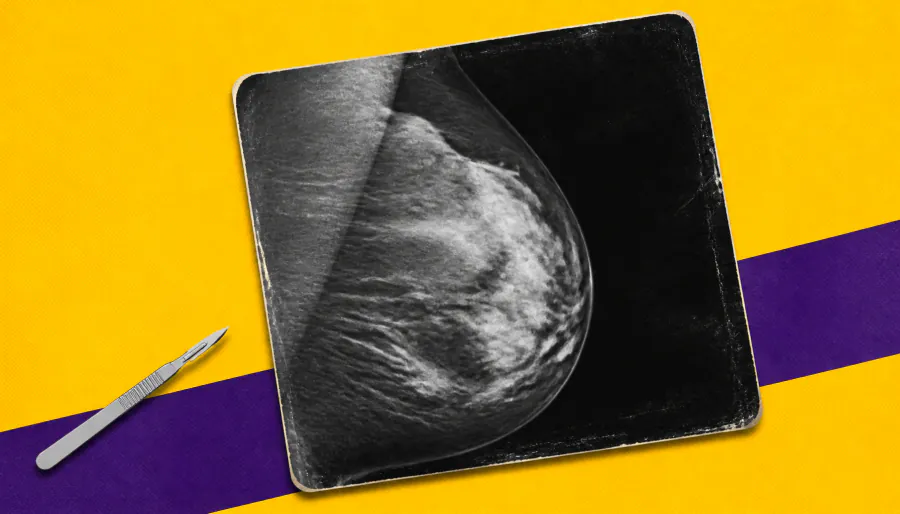
The most striking finding came from aggressive mammary tumors: over 50% carried mutations in the FBXW7 gene — the same gene linked to worse prognosis in human breast cancer. Researchers also found that certain chemotherapy drugs were more effective against cat tumors carrying this mutation, hinting at precision oncology potential for both species.
By the Numbers:
50% of cat mammary tumors carried FBXW7 mutations
Why it matters: Cats share our homes — and apparently, our cancer biology. Because pets naturally develop many of the same diseases as people while living in similar environments, studying feline cancer could reveal how genetics and environmental exposures interact to drive tumors, and fast-track new treatment strategies for humans.