Curie Brief
Turn on cookies to sign in
Signing in saves your progress to your Curie account. We can only do that with cookies on — turn them on to continue.
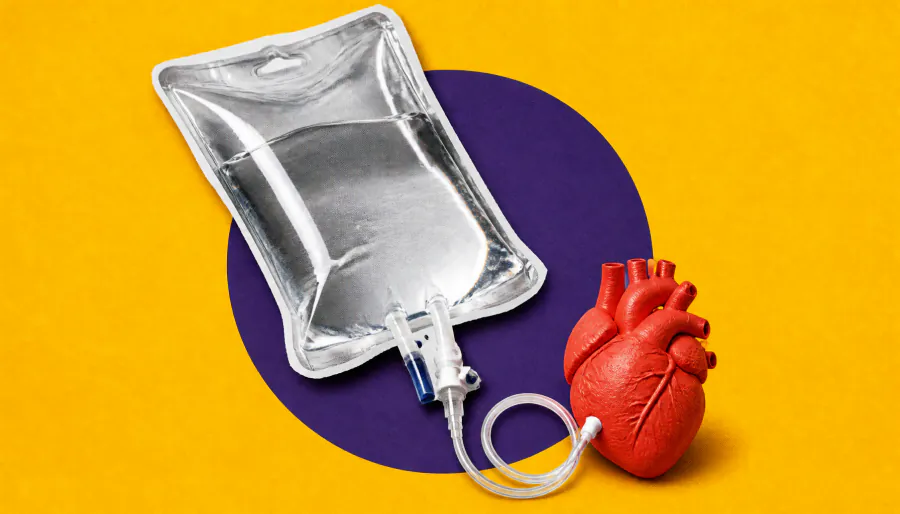
A single infusion of a CRISPR gene-editing therapy cut LDL cholesterol and triglycerides by roughly half in patients with hard-to-treat lipid disorders — and the effects held up for an entire year. The Phase 1 trial, conducted by Cleveland Clinic, enrolled 15 patients and reported no serious treatment-related adverse events. Results were published in the New England Journal of Medicine and presented at the 2026 ESC annual meeting.
A one-time infusion of an experimental CRISPR-Cas9 therapy called CTX310 produced dramatic and durable reductions in LDL ("bad") cholesterol and triglycerides in patients whose lipid disorders hadn't responded well to standard medications. Cleveland Clinic's first-in-human Phase 1 trial followed 15 patients for 12 months, finding that those on the highest dose saw LDL drop by 52.5% and triglycerides fall by 47.8% from baseline — with no serious treatment-related adverse events reported.
CTX310 works by delivering the CRISPR editing system to the liver, where it permanently silences the ANGPTL3 gene — a key regulator of blood fats. Disabling this gene reduces both LDL cholesterol and triglycerides, two major drivers of cardiovascular disease. The findings were published simultaneously in the New England Journal of Medicine and presented at the 2026 European Society of Cardiology annual meeting.
By the Numbers:
Why it matters: While still early-stage, CTX310 represents a potential paradigm shift in cardiovascular risk management — offering a single-dose, potentially permanent alternative to daily cholesterol-lowering medications for patients who don't respond to existing treatments.