Curie Brief
Turn on cookies to sign in
Signing in saves your progress to your Curie account. We can only do that with cookies on — turn them on to continue.
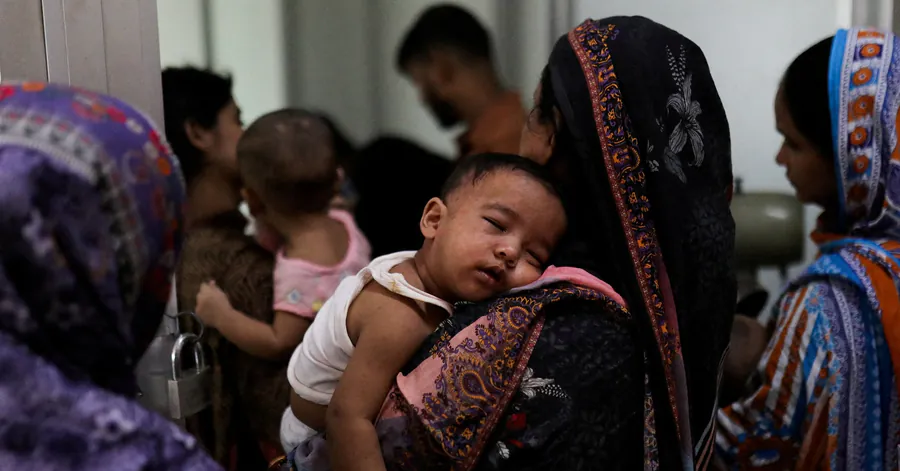
Bangladesh has launched a nationwide measles-rubella vaccination campaign targeting 3.4 million unvaccinated children amid the world's largest measles outbreak. The crisis has killed more than 1,000 people and infected nearly 187,000 since March. Experts blame disruptions to routine immunization programs in 2024 and 2025 — driven by political turmoil and vaccine supply issues — for leaving children dangerously vulnerable.
Bangladesh has launched a month-long, nationwide measles-rubella vaccination campaign targeting 3.4 million unvaccinated or missed children aged 6 months to 59 months — the latest emergency response to what the CDC has identified as the world's largest ongoing measles outbreak. Authorities lowered the minimum vaccination age from the standard 9 months to 6 months specifically because of the severity of the crisis.
Health experts trace the root cause to disruptions in routine immunization in 2024 and 2025, when political instability, changes in vaccine procurement, and canceled campaigns left large cohorts of children unprotected. Since April, Bangladesh has vaccinated nearly 20 million children through emergency drives, but significant immunity gaps persist.
By the Numbers:
Why it matters: Measles is one of the most contagious diseases known, and outbreaks of this scale signal a serious breakdown in public health infrastructure. Closing immunity gaps now is critical to halting transmission and preventing future surges — especially as Bangladesh simultaneously battles a seasonal dengue outbreak straining its health system.