Curie Brief
Turn on cookies to sign in
Signing in saves your progress to your Curie account. We can only do that with cookies on — turn them on to continue.
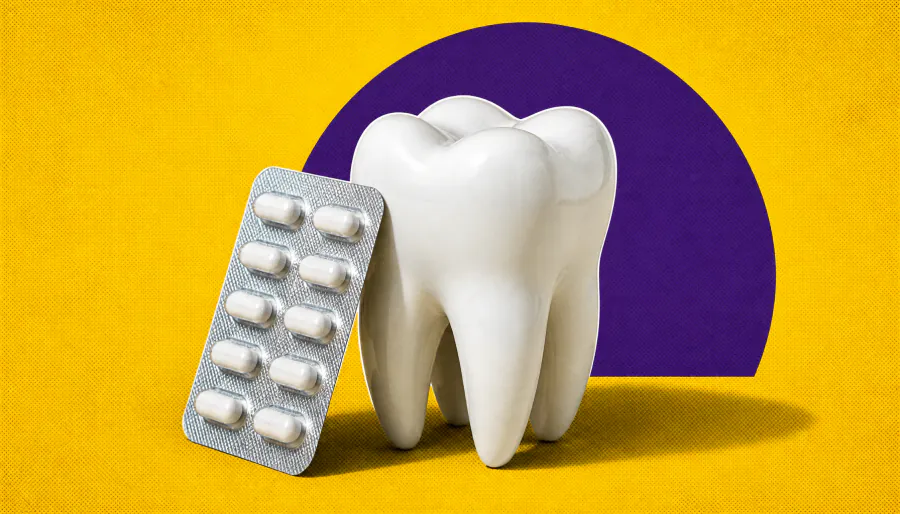
When a 14-year-old showed up with facial swelling and fever, the culprit wasn't a swollen gland — it was a periodontal abscess. This case highlights why pediatricians need to sharpen their dental diagnostic skills. Poor oral hygiene can escalate quickly into a dental emergency requiring drainage and antibiotics.
A 14-year-old girl with a history of dental caries presented with several days of worsening left-sided facial swelling, pain with chewing, and a fever of 101.5°F. The correct diagnosis? A periodontal abscess — an infection with abscess formation in the gingiva adjacent to a tooth root, most often caused by poor oral hygiene and food trapped between the gum and tooth. Because of its proximity to vital vascular structures, it's classified as a dental emergency.
Treatment involves needle aspiration or incision for drainage and irrigation, with exudate sent for Gram stain and aerobic/anaerobic cultures. Empiric antimicrobial therapy — typically amoxicillin plus metronidazole — is usually effective. The case also walks through key differentials: parotitis, periapical abscess, and submandibular lymphadenitis.
Key Takeaways:
Why it matters: Pediatricians have historically had limited dental training, but oral infections can escalate rapidly. The AAP has published nine dental care policy statements in the past nine years — a signal that closing this knowledge gap is increasingly urgent.