Curie Brief
Turn on cookies to sign in
Signing in saves your progress to your Curie account. We can only do that with cookies on — turn them on to continue.
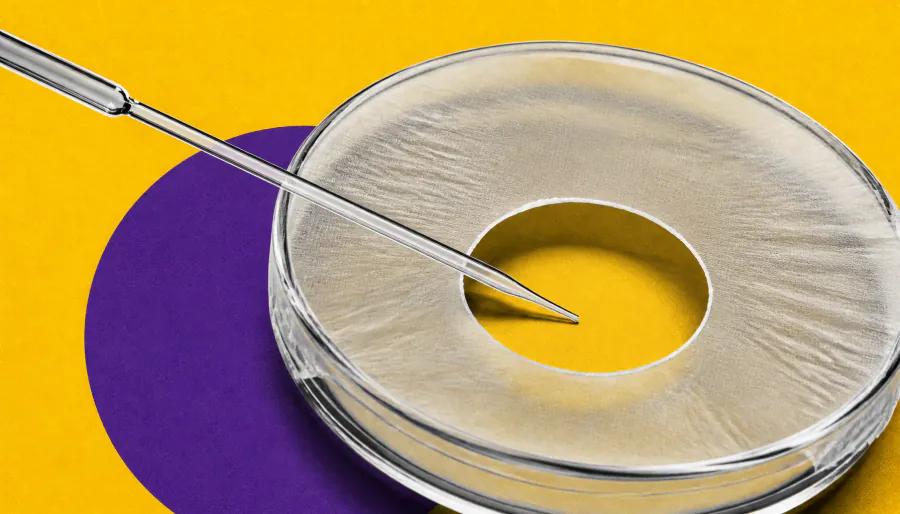
Toxoplasma gondii doesn't just find a way into host cells — it actively rearranges the welcome mat. New research from the Whitehead Institute shows the parasite reorganizes sugar-coated proteins on the host cell surface, creating specialized membrane patches that trigger its own invasion machinery. The discovery opens a potential new avenue for disrupting the parasite's entry process.
Toxoplasma gondii, the parasite behind toxoplasmosis, has a surprisingly clever trick for getting inside host cells: it remodels the cell surface to create the very conditions it needs to invade. Researchers at the Whitehead Institute found that the parasite reorganizes glycan-coated proteins on the host cell membrane — in a cholesterol-dependent process — to form specialized microdomains that trigger its invasion machinery (called rhoptry discharge). The whole invasion takes less than a minute.
The team identified three parasite proteins (the MIC1/4/6 complex) that cluster glycosylated host proteins together, with cholesterol enabling that reorganization. When researchers disrupted this process — by removing cholesterol, blocking glycosylation, or interfering with the parasite's sugar-recognition — invasion dropped significantly.
Key Takeaways:
Why it matters: Understanding exactly how Toxoplasma — and related parasites like Plasmodium (malaria) — trigger invasion could reveal new drug targets at the host-parasite interface, a largely untapped area for antiparasitic therapy.