Curie Brief
Turn on cookies to sign in
Signing in saves your progress to your Curie account. We can only do that with cookies on — turn them on to continue.
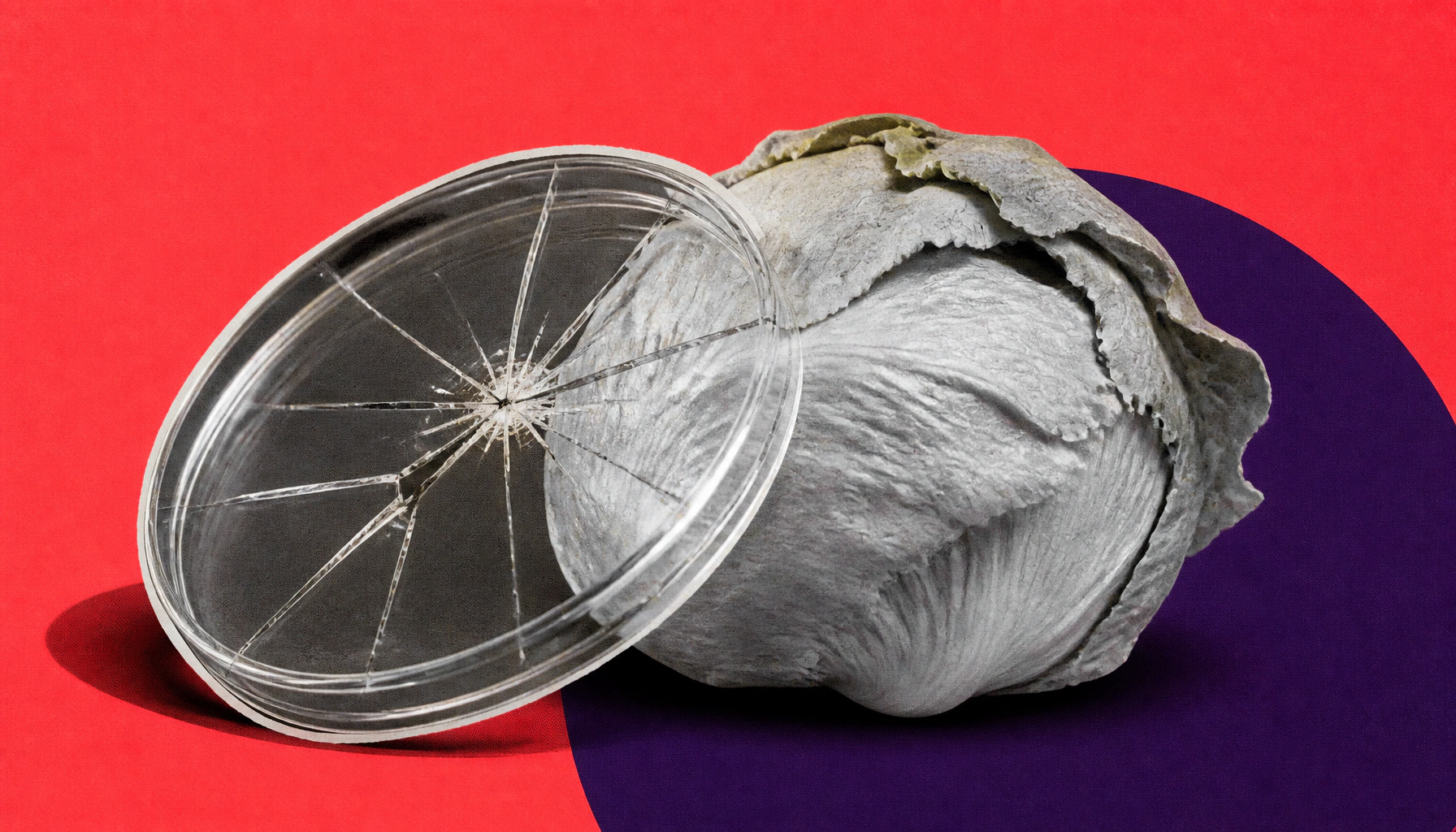
This past summer saw a wave of high-profile foodborne outbreaks, but experts say the picture is more nuanced than the headlines suggest. While total food recalls were average, the FDA investigated significantly more outbreaks than in prior summers — and one historic Cyclospora outbreak skewed illness counts dramatically. Cuts to federal food safety surveillance may be setting the stage for more trouble ahead.
This past summer felt like a foodborne illness nightmare — contaminated iceberg lettuce, Cyclospora-laced jalapeños, and a recall of 19 million eggs dominated headlines. But experts say the reality is more complicated. Total food recalls were roughly on par with previous years, and the FDA even posted data claiming recalls actually declined in 2026. However, a deeper look tells a different story: the FDA launched 14 foodborne outbreak investigations this summer alone, compared to 9 in 2025 and 7 in 2024.
The biggest driver of this summer's alarming illness numbers? A single, historic Cyclospora outbreak linked to iceberg lettuce — the largest in U.S. history — which accounted for nearly 90% of all confirmed foodborne illness cases in 2026. Strip that out, and the picture looks far less dire. Still, experts warn that reduced federal surveillance capacity, including the scaling back of the CDC's FoodNet program and personnel cuts at the FDA and USDA, could make future outbreaks harder to detect and contain.
By the Numbers:
Why it matters: Surveillance cutbacks don't just affect data — they affect lives. Experts warn that without robust monitoring systems like FoodNet, sporadic foodborne illnesses are more likely to go undetected and snowball into full-blown outbreaks.