Curie Brief
Turn on cookies to sign in
Signing in saves your progress to your Curie account. We can only do that with cookies on — turn them on to continue.
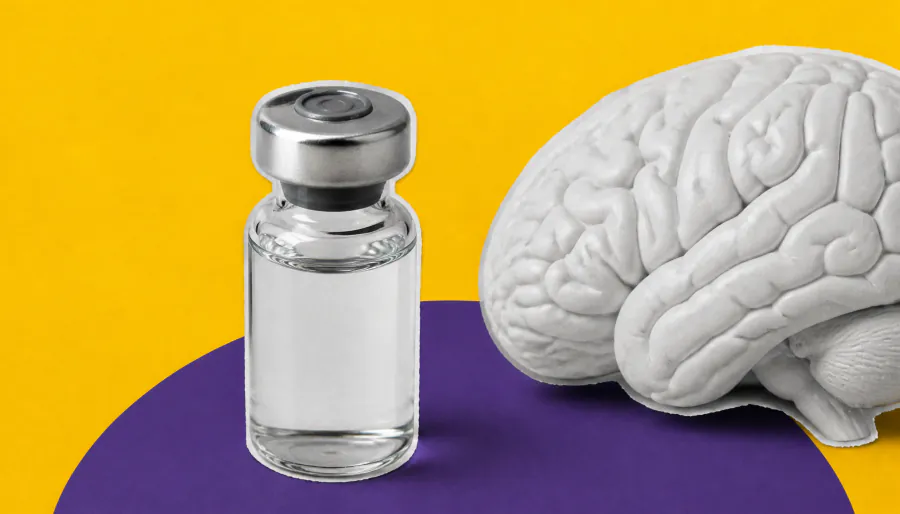
Nearly three-quarters of U.S. adults aged 50 and older say they'd get a vaccine to prevent dementia if one were available, according to a new JAMA Network Open study. While overall enthusiasm is high, hesitancy is notably greater among women, Black adults, and lower-income respondents. Researchers say targeted outreach will be key to ensuring equitable vaccine uptake as preventive options move closer to reality.
A new survey of 1,529 U.S. adults aged 50 and older found that nearly three in four (72.1%) would be willing to receive a hypothetical low-cost, multidose vaccine that could cut dementia risk in half for high-risk individuals. The findings, published in JAMA Network Open, suggest strong baseline public interest — but also reveal meaningful gaps across demographic groups that could complicate equitable rollout.
Willingness grew with age, with "definitely yes" responses rising from 31.1% among 50–59-year-olds to 35.1% among those 70 and older. Meanwhile, hesitancy was more common among women (23% vs. 18.5% for men) and Black adults, who were nearly half as likely as white adults to say they'd definitely get vaccinated (19.4% vs. 35.8%).
By the Numbers:
Why it matters: No dementia vaccine exists yet, but research is advancing — and public readiness will shape how effectively one gets deployed. These findings signal that targeted communication strategies will be essential to close hesitancy gaps, especially among groups already at higher dementia risk.