Curie Brief
Turn on cookies to sign in
Signing in saves your progress to your Curie account. We can only do that with cookies on — turn them on to continue.
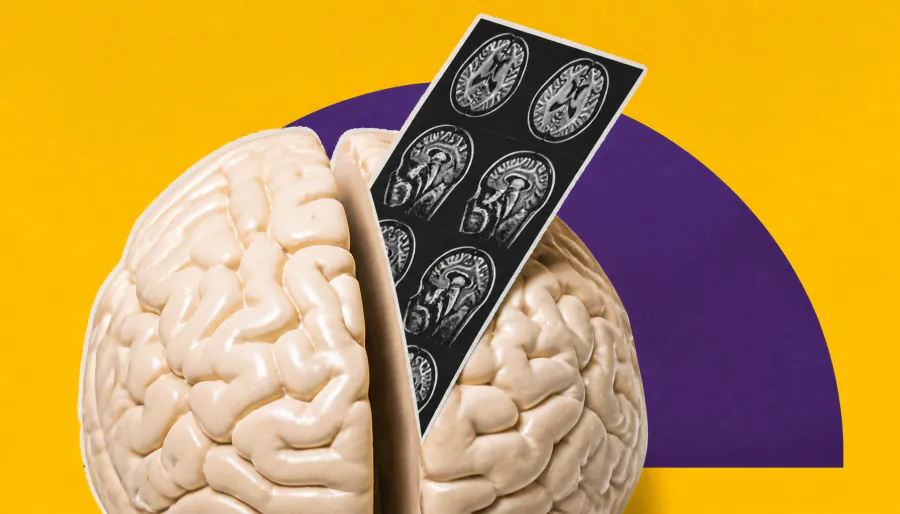
Your MRI might reveal more than just anatomy — it could predict dementia. A new study found that when a patient's brain looks older on MRI than their actual age, they face a significantly higher risk of progressing to dementia. This "brain age gap" measure added predictive value beyond standard imaging assessments, especially in patients with early subjective cognitive decline.
A new study published in Neurology suggests that an MRI-derived measure called brain-predicted age difference (brain-PAD) — which compares how old the brain looks versus how old a person actually is — can help predict who will progress to dementia. Researchers studied 799 memory clinic patients with either subjective cognitive decline (SCD) or mild cognitive impairment (MCI) over a median follow-up of 3.2 years.
The findings were especially notable in SCD patients, where brain-PAD added meaningful predictive value on top of standard visual MRI assessments and even amyloid status. In the MCI group, however, brain-PAD didn't independently improve predictions once visual MRI findings were accounted for.
Why it matters: Identifying dementia risk earlier — before significant cognitive symptoms appear — is a major clinical goal. Brain-PAD could become a non-invasive, scalable tool to help clinicians stratify risk and prioritize interventions, though external validation is still needed before routine clinical use.