Curie Brief
Turn on cookies to sign in
Signing in saves your progress to your Curie account. We can only do that with cookies on — turn them on to continue.
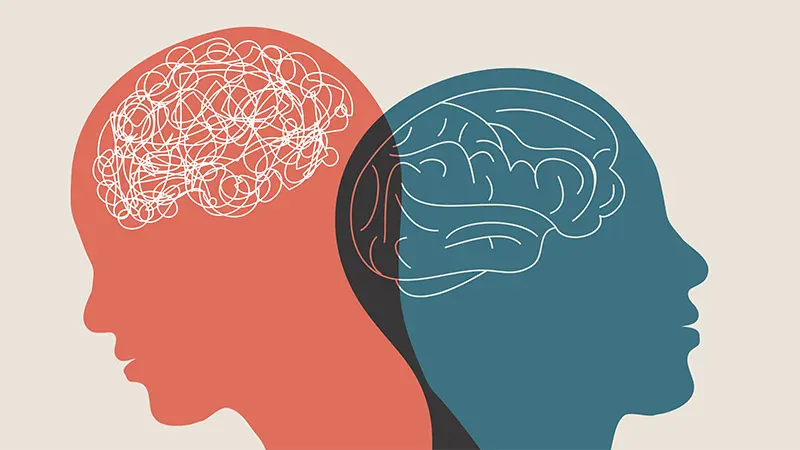
Diagnosing bipolar vs. unipolar depression just got a sleep-powered upgrade. A new study found that combining self-reported sleep data, wrist-worn activity trackers, and overnight sleep studies can reliably distinguish the two conditions during a depressive episode. The predictive model showed impressive accuracy, with sensitivity and specificity both near 90%.
Telling bipolar depression apart from unipolar depression during a depressive episode is notoriously tricky — but a new study suggests sleep patterns might hold the key. Researchers in Paris developed a non-invasive predictive model using sleep questionnaires, actigraphy (wrist-worn motion tracking), and overnight polysomnography (PSG) to differentiate the two conditions in 159 patients.
The findings revealed distinct sleep signatures for each disorder. Patients with unipolar depression reported worse sleep quality and more severe insomnia, while those with bipolar depression were less physically active overall and spent more time at rest. On PSG, bipolar patients showed more light (N2) sleep and less deep (N3) sleep compared to their unipolar counterparts.
By the Numbers:
Why it matters: Misdiagnosing bipolar disorder as unipolar depression is common and can lead to harmful treatment decisions, like prescribing antidepressants without mood stabilizers. A reliable, non-invasive tool to distinguish the two could meaningfully improve patient outcomes.