Curie Brief
Turn on cookies to sign in
Signing in saves your progress to your Curie account. We can only do that with cookies on — turn them on to continue.
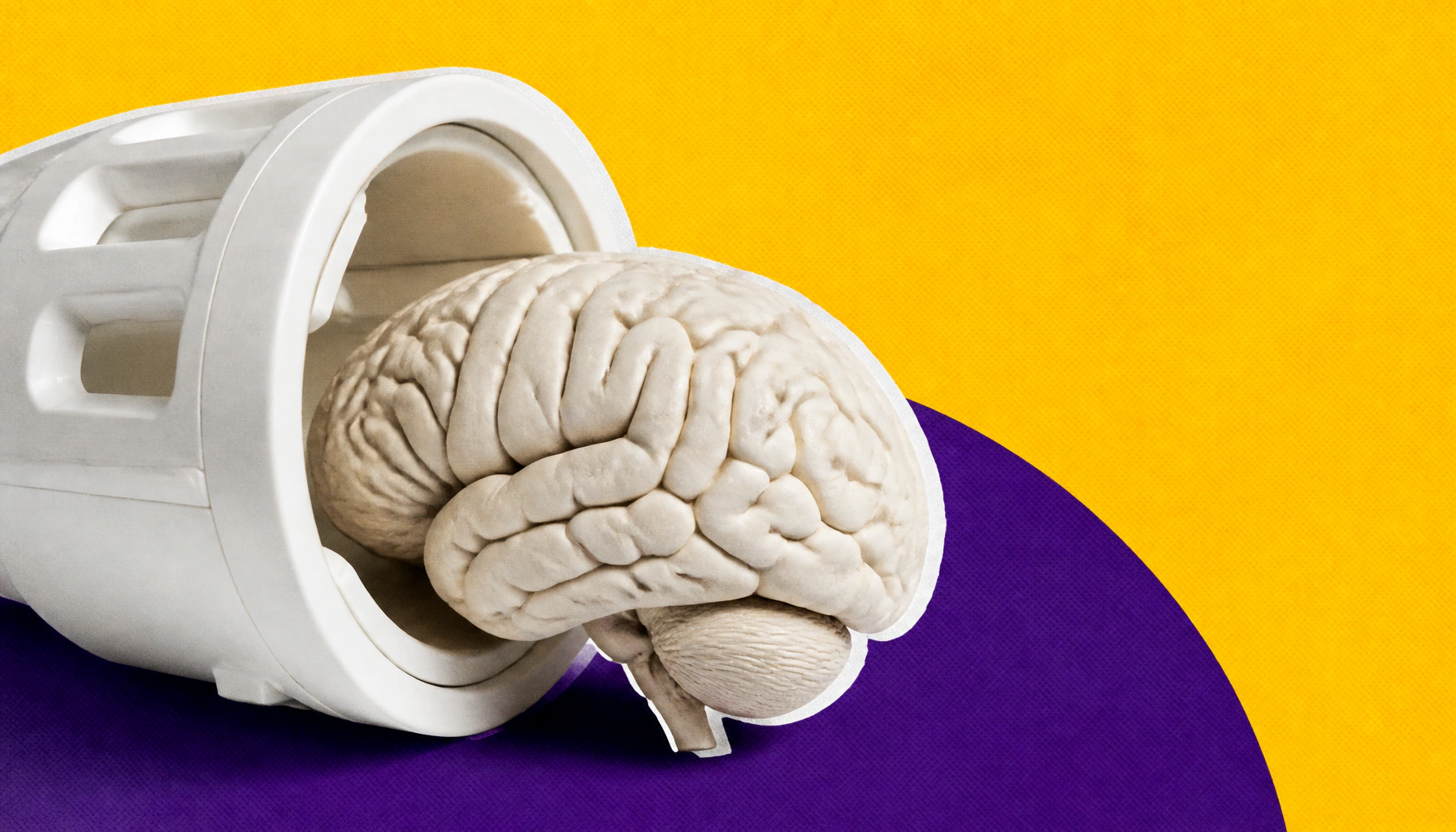
Your brain's response to rewards might reveal bipolar risk. A new JAMA Psychiatry study found that heightened activity in two specific brain regions during reward anticipation is linked to a greater risk for mania and hypomania. The findings could pave the way for targeted interventions in bipolar disorder.
A new study published in JAMA Psychiatry suggests that how the brain responds to the anticipation of a reward could signal a person's risk for mania or hypomania — key features of bipolar disorder. Researchers from the University of Pittsburgh used fMRI to track neural activity in young adults aged 18–30 with varying levels of mood-related psychopathology.
The study found that heightened activation in two brain regions — the left ventrolateral prefrontal cortex (L-vlPFC), linked to reward valuation, and the pre-supplementary motor area (pre-SMA), tied to impulsive decision-making — was consistently associated with greater mania or hypomania risk across two independent cohorts. Notably, depression severity moderated the relationship between pre-SMA activation and impulsive decision-making, adding complexity to the picture.
Key Takeaways:
Why it matters: Identifying reliable neural markers of mania risk could help clinicians intervene earlier in at-risk individuals, and these findings underscore the need to account for depression severity when designing brain-based treatments for bipolar disorder.