Curie Brief
Turn on cookies to sign in
Signing in saves your progress to your Curie account. We can only do that with cookies on — turn them on to continue.
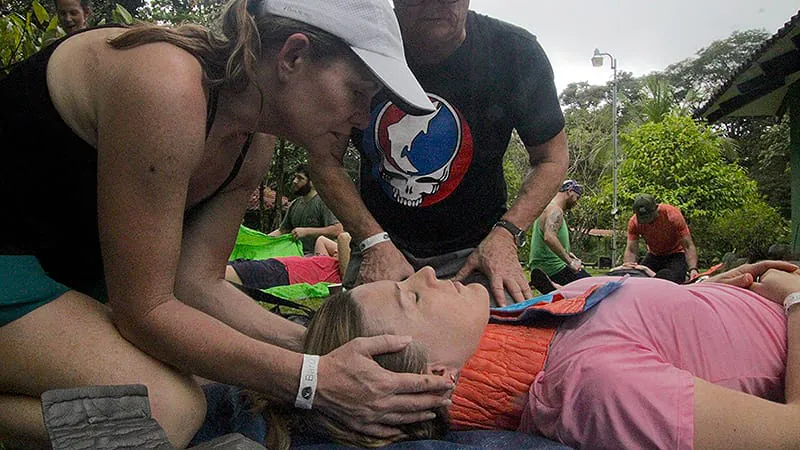
From jungle deliveries to Arctic rescues, wilderness medicine is carving out a niche for nurse practitioners and physician assistants who crave adventure and expanded skills. Practitioners say training in austere environments — where resources are scarce and definitive care is hours away — builds adaptability, resilience, and clinical creativity. Bonus: it may even help prevent burnout.
Wilderness medicine — practiced in remote, resource-limited settings far from conventional care — is attracting a growing number of NPs and PAs looking to stretch their clinical skill sets beyond the exam room. From delivering babies in South Sudan to managing trauma on mountaintops, these providers operate in what the field calls "austere environments," where geography and time create barriers to definitive care. The specialty was formally organized in 1983 with the founding of the Wilderness Medical Society, which now offers certifications, clinical guidelines, and immersive continuing education expeditions.
Practitioners say the work demands a unique personality profile: adaptability, perseverance, creative problem-solving, and a high tolerance for discomfort. Many enter the field through humanitarian missions, military service, or outdoor pursuits like mountaineering and wilderness guiding. Training pathways include wilderness EMT, wilderness first responder, and prolonged field care courses — skills that experts argue are especially valuable for providers serving rural communities.
Key Takeaways:
Why it matters: As healthcare workforce burnout remains a pressing concern, wilderness medicine offers NPs and PAs not just a career expansion — but a potential antidote to the grind of everyday clinical practice, while building skills that translate directly to underserved and rural patient populations.