Curie Brief
Turn on cookies to sign in
Signing in saves your progress to your Curie account. We can only do that with cookies on — turn them on to continue.
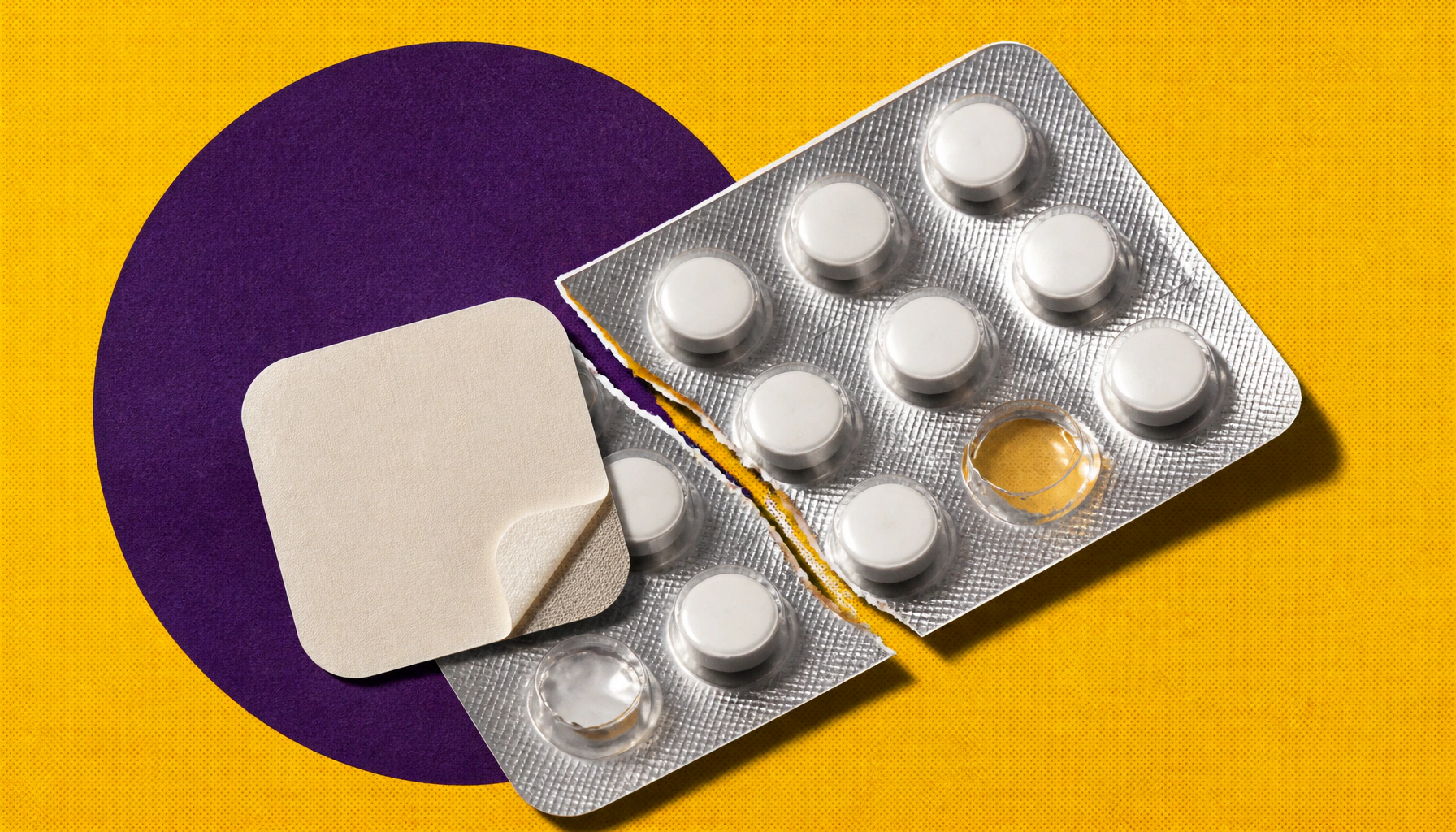
Oral menopausal hormone therapy raises clot and stroke risk — but the patch doesn't. A large Danish study found women on oral hormone therapy (HT) had a 60% higher risk of venous thromboembolism (VTE), while high-dose oral estradiol also raised risks for stroke and heart attack. Crucially, transdermal HT showed no increased risk for any of these outcomes.
A major study published in The BMJ is reshaping how clinicians should think about menopausal hormone therapy (HT). Analyzing data from over 1 million Danish women aged 50–69, researchers found that oral HT significantly raises the risk of venous thromboembolism (VTE), ischemic stroke, and myocardial infarction (MI) — but transdermal HT does not carry the same dangers.
The findings are especially relevant given the FDA's February 2026 update to black box warnings on six menopausal HT products, which flagged cardiovascular risks. Researchers stress that HT is not a one-size-fits-all treatment — route of administration, estrogen dose, and duration all matter.
By the Numbers:
Why it matters: These findings give clinicians a clearer roadmap for individualizing HT prescribing. When oral therapy is necessary, experts recommend the lowest effective dose (≤1 mg estradiol/day) with regular reassessment — and transdermal formulations should be the preferred route when possible.