Curie Brief
Turn on cookies to sign in
Signing in saves your progress to your Curie account. We can only do that with cookies on — turn them on to continue.
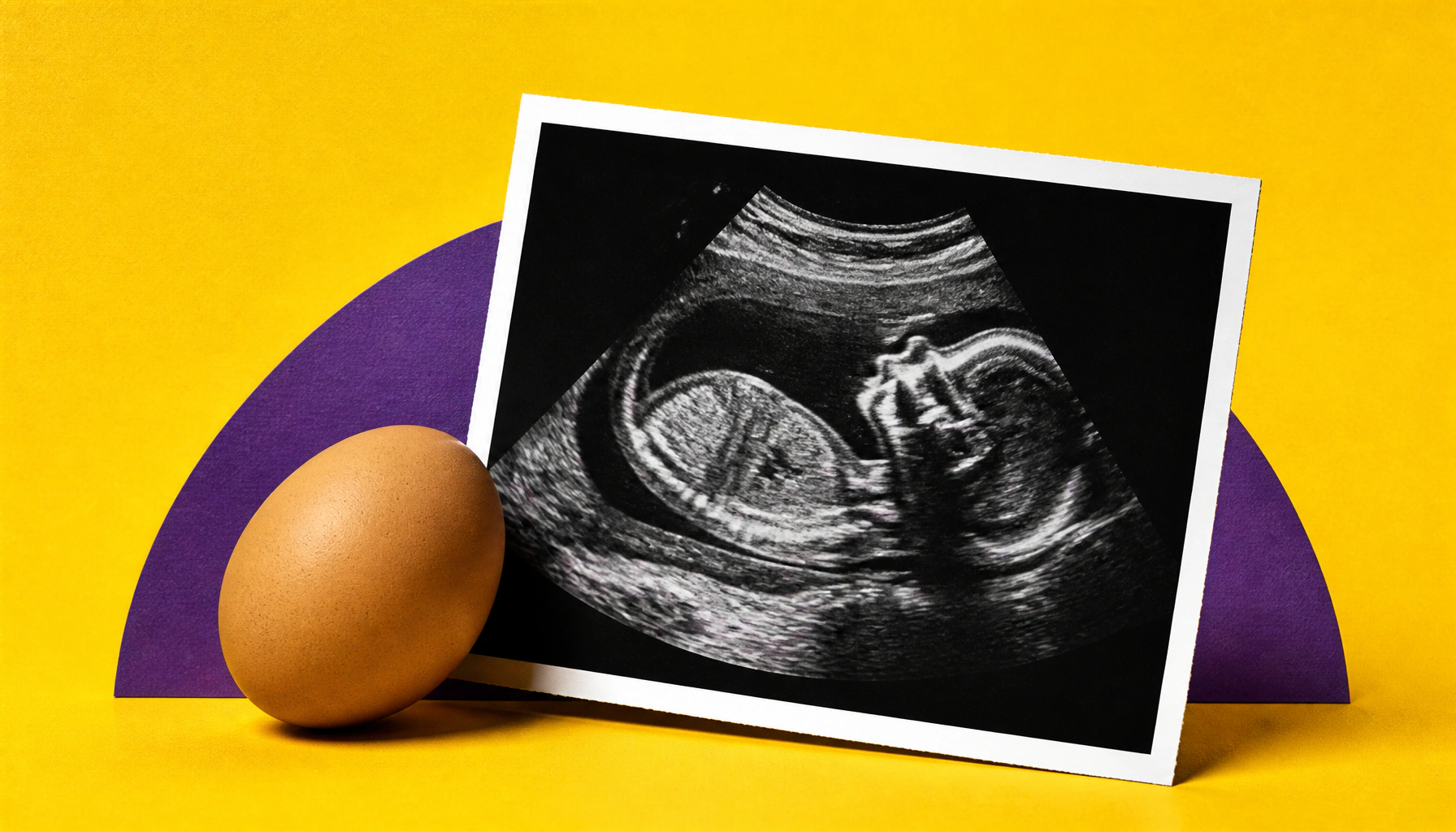
Bumping up egg and peanut intake during pregnancy doesn't lower the odds of a baby developing food allergies, a large NEJM-published trial found. The PrEggNut study followed over 2,100 high-risk pregnant women and found allergy rates in 1-year-olds were nearly identical regardless of how much mom ate. Experts say the takeaway is simple: no need to overload or avoid — just eat normally.
A major randomized controlled trial published in The New England Journal of Medicine has put a popular hypothesis to rest: eating large amounts of eggs and peanuts during pregnancy and breastfeeding does not reduce the risk of food allergies in infants. The PrEggNut trial followed 2,137 pregnant Australian women — all carrying babies with a family history of allergic disease — and found no meaningful difference in allergy outcomes at 1 year between those eating high amounts (6+ eggs, 60+ peanuts/week) and those on a standard diet.
Researchers had hoped that early allergen exposure through the womb and breast milk might help train infant immune systems. Instead, allergy rates came in nearly identical: 7.8% in the high-intake group vs. 8.4% in the standard group. Eczema rates at 4 and 12 months were also comparable between groups.
Key Takeaways:
Why it matters: This is the first adequately powered RCT to test whether high maternal intake of common allergens prevents infant food allergy — and the answer is no. The findings reinforce current guidelines and shift focus toward infant feeding strategies rather than maternal diet manipulation.