Curie Brief
Turn on cookies to sign in
Signing in saves your progress to your Curie account. We can only do that with cookies on — turn them on to continue.
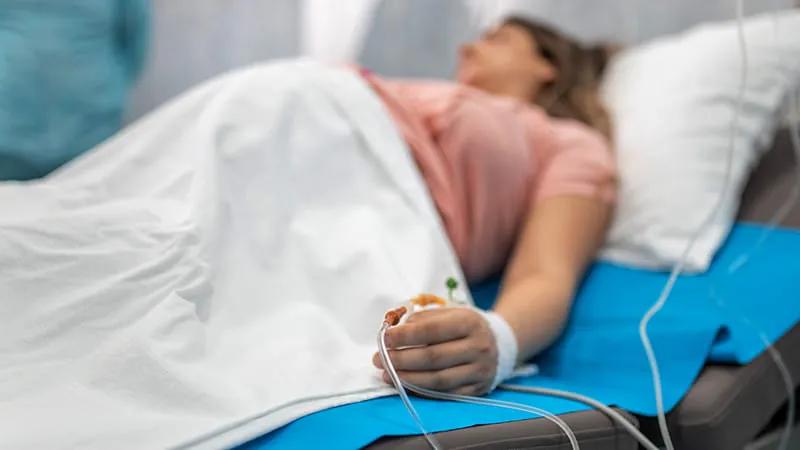
Women who push for over an hour during labor or sustain deep perineal tears are significantly more likely to develop wound complications after vaginal delivery. A Danish study found that prophylactic antibiotics cut those odds by nearly two-thirds. The findings highlight the need to identify high-risk women early and consider preventive strategies for future deliveries.
New research from Denmark sheds light on which women are most at risk for wound complications following vaginal delivery. Among women who experienced second-degree tears or episiotomy, those with a prolonged active pushing stage (over 60 minutes) or deep tears reaching the perineal muscles were more than twice as likely to develop clinically relevant wound complications — such as infections or wound openings requiring additional follow-up.
The findings come from a secondary analysis of the REPAIR trial, a double-blind randomized study conducted between March and December 2023 at a hospital in Denmark. Of the 412 women included in the final analysis, 55 developed a clinically relevant wound complication. Notably, women whose suturing was performed by a doctor also had higher odds of complications, though whether this reflects underlying case complexity or other shared risk factors remains unclear.
By the Numbers:
Why it matters: These findings give clinicians a clearer picture of who's most vulnerable to postpartum wound complications and reinforce the case for prophylactic antibiotics as a protective measure — a simple intervention that could meaningfully reduce postpartum morbidity.