Curie Brief
Turn on cookies to sign in
Signing in saves your progress to your Curie account. We can only do that with cookies on — turn them on to continue.
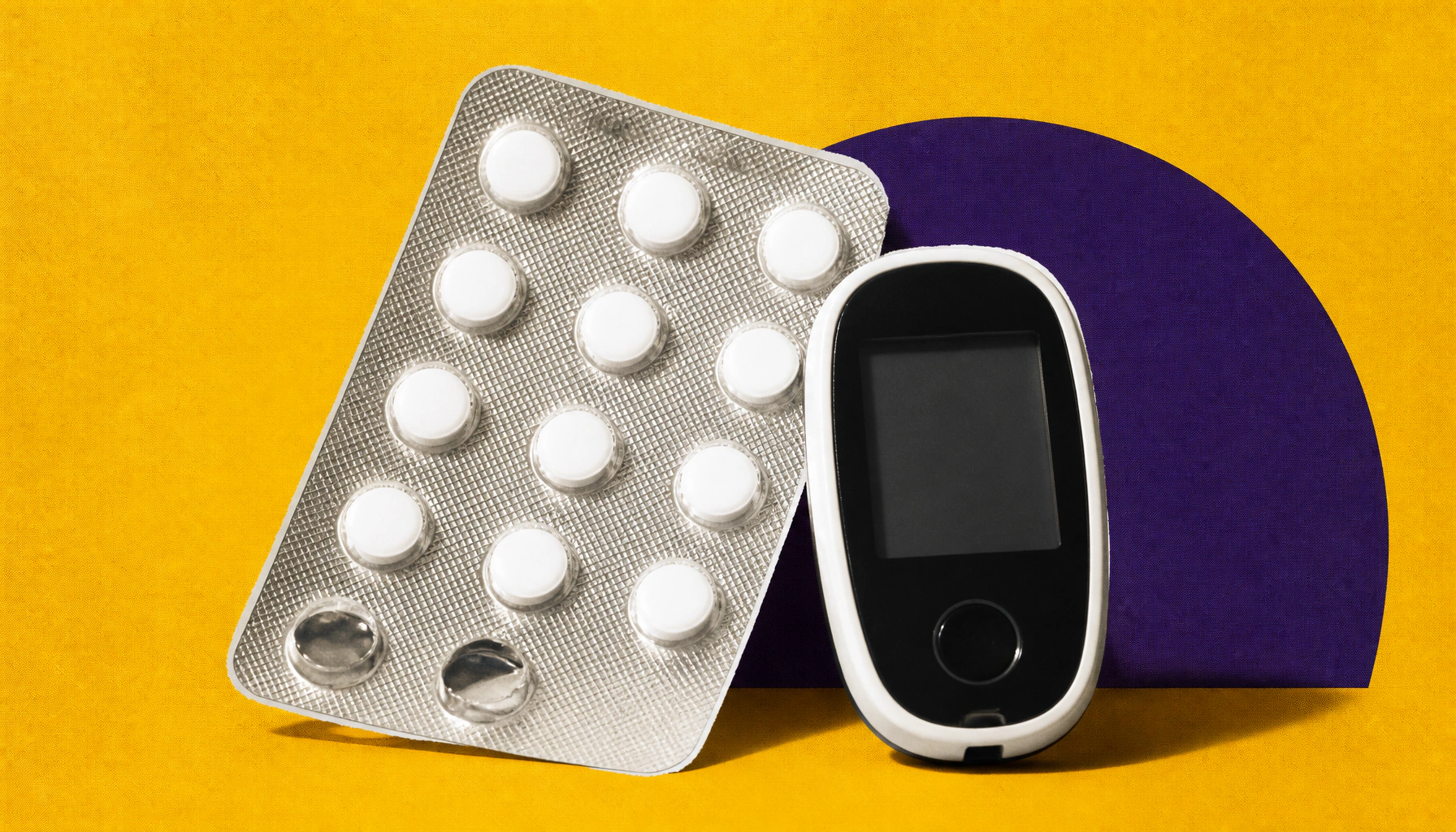
A major study out of Scandinavia pinpoints who's most vulnerable to ketoacidosis among type 2 diabetes patients on SGLT2 inhibitors. High HbA1c, malnutrition, low BMI, prior ketoacidosis, and recent hypoglycemia topped the risk list. Researchers say the goal isn't to avoid these widely used drugs — it's to prescribe them smarter.
A large Nordic study published in The Lancet Diabetes & Endocrinology has identified key risk factors for ketoacidosis in adults with type 2 diabetes (T2D) taking SGLT2 inhibitors — one of the most commonly prescribed drug classes for the condition. Researchers from the Karolinska Institutet analyzed over 322,000 treatment episodes across Sweden, Denmark, and Norway, tracking ketoacidosis events over a median follow-up of 1.3 years.
The findings show that risk was highest shortly after starting the medication but persisted throughout treatment. Infections were the most common trigger, appearing in nearly a third of ketoacidosis cases. The researchers emphasize that the takeaway isn't to avoid SGLT2 inhibitors, but to better identify high-risk patients upfront.
Key Takeaways:
Why it matters: SGLT2 inhibitors are widely used and offer real cardiovascular and renal benefits — but ketoacidosis is a serious, potentially life-threatening complication. This study gives clinicians a clearer roadmap for risk-stratifying patients before and during treatment.